
Letting your dog enjoy the outdoors is one of the best parts of being a pet owner—but it often comes with a frustrating trade-off. You want them to have freedom, but you also need to keep them safe.
However, the cost of professional fence installation can be staggering—often running into thousands of dollars. If you are a renter or someone who loves a good weekend project, a permanent, expensive fence might not be the right fit.
I’ve been there—standing in my backyard and my energetic pup waited impatiently to play outside, while staring at a $2,000 quote for a permanent fence. That’s when I started looking for something more practical.
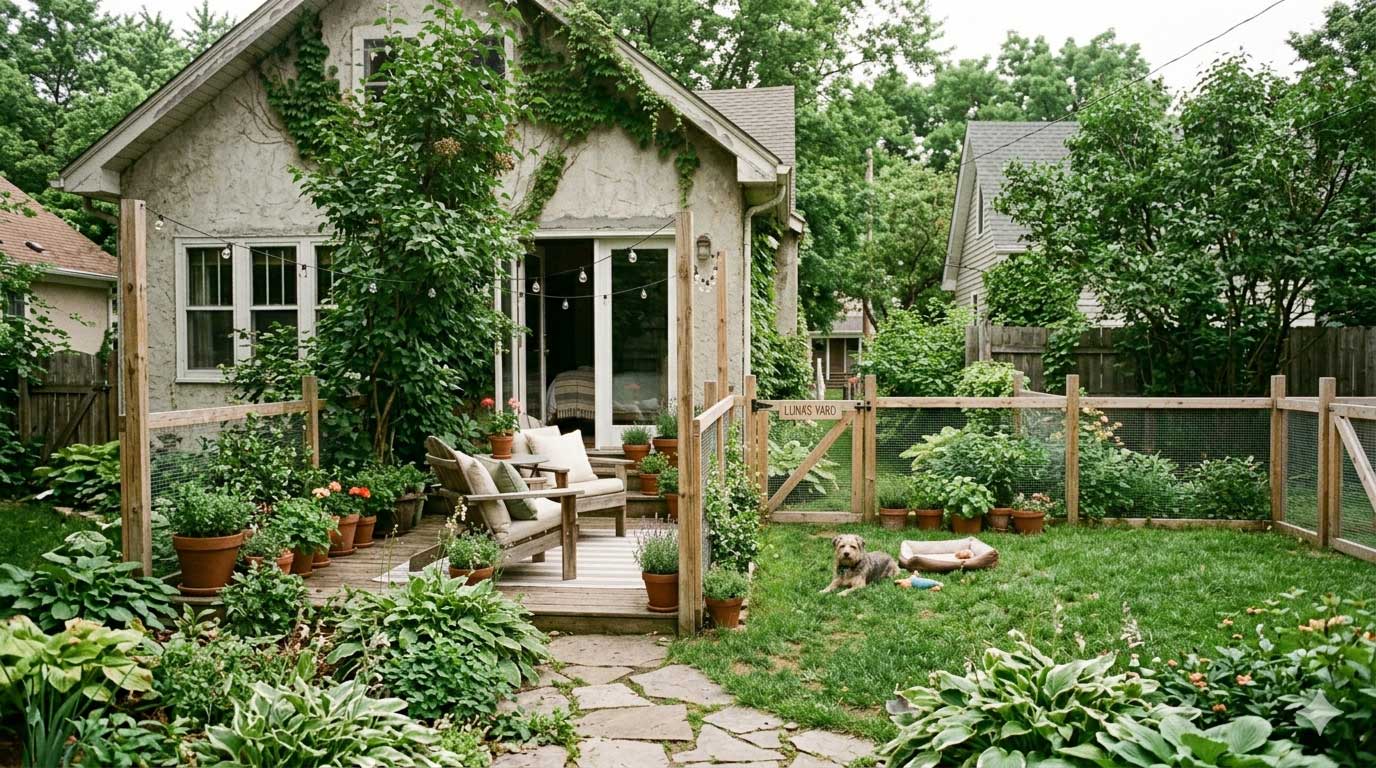
The good news? You don’t need to spend thousands or commit to permanent construction. DIY solutions are not only affordable but often portable and reusable—meaning your investment moves with you if you move.
In this guide, you’ll find budget-friendly DIY dog fence ideas that are portable, reusable, and perfect for renters or small spaces. These solutions are designed to give your dog freedom—without locking you into expensive construction.
If you’re also working with a compact outdoor area, you might find these small backyard ideas for limited space helpful as well.
Why Portable & DIY Fences Are a Game-Changer
Before jumping into the ideas, it helps to understand why so many dog owners are switching to DIY and portable fence solutions. Plus, you can paint or decorate these fences to match your home’s exterior, ensuring your backyard remains stylish while being functional.
Flexibility That Adapts to Your Space
Portable fences can be moved, resized, or removed anytime. Whether you’re rearranging your yard or moving to a new home, you’re not stuck with one layout.
👉 You can adjust the size and height based on your dog’s specific breed and energy level.
Budget-Friendly Without Sacrificing Function
Most DIY fences use affordable or recycled materials like PVC pipes, pallets, or wire mesh. You can often build a functional fence for under $100.
👉 You can often use upcycled materials or cheap supplies from your local hardware store.
Perfect for Renters
No drilling, no digging (in most cases), and no permanent changes. These options are ideal if you’re renting or don’t want to damage your yard.
👉 Perfect for renters who can’t make permanent changes to the property.
Top 7 Cheap DIY Dog Fence Ideas
Here are some of the most practical, low-cost dog fence ideas you can build yourself.
1. PVC & Mesh Dog Fence
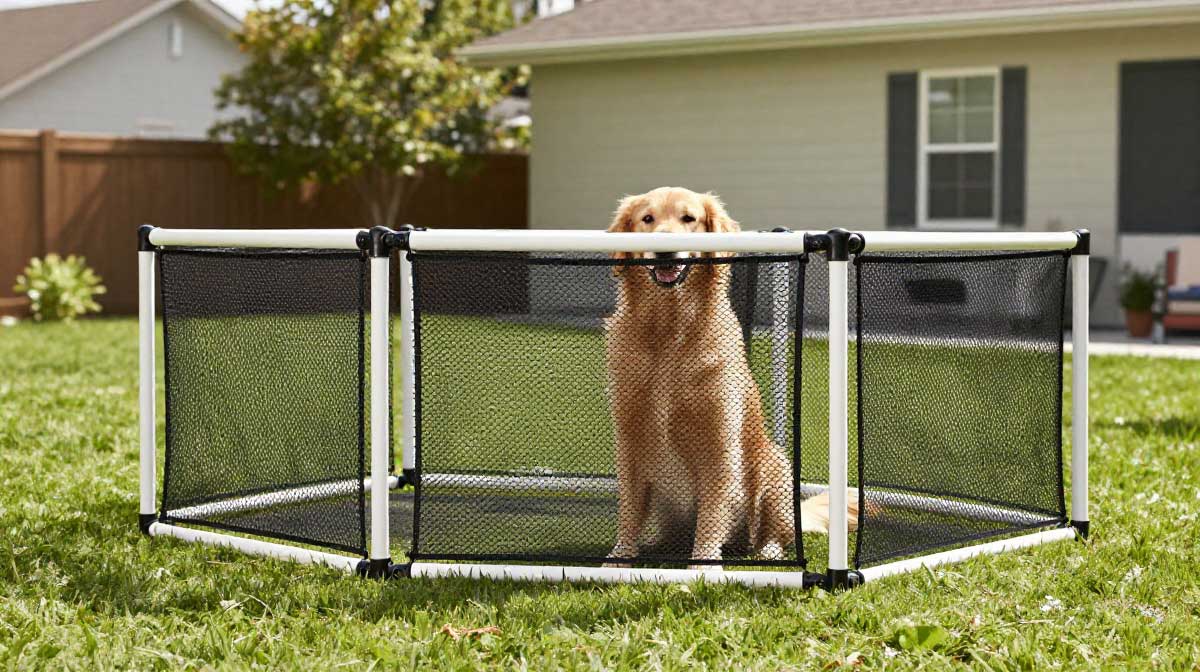
A PVC frame combined with plastic or metal mesh is one of the easiest and most versatile DIY options. By using PVC pipes as the frame and plastic garden netting as the barrier, you create a sturdy yet movable fence.
Best for: Small to medium dogs
Estimated Cost: $30–$70
Difficulty: Easy
Pros:
- Lightweight and portable
- Weather-resistant
- Easy to assemble and disassemble
Cons:
- Not strong enough for large or aggressive dogs
- Needs anchoring for stability
👉 Pro Tip: Use zip ties to secure the mesh to the pipes for a clean, professional look.
2. Upcycled Wooden Pallet Fence
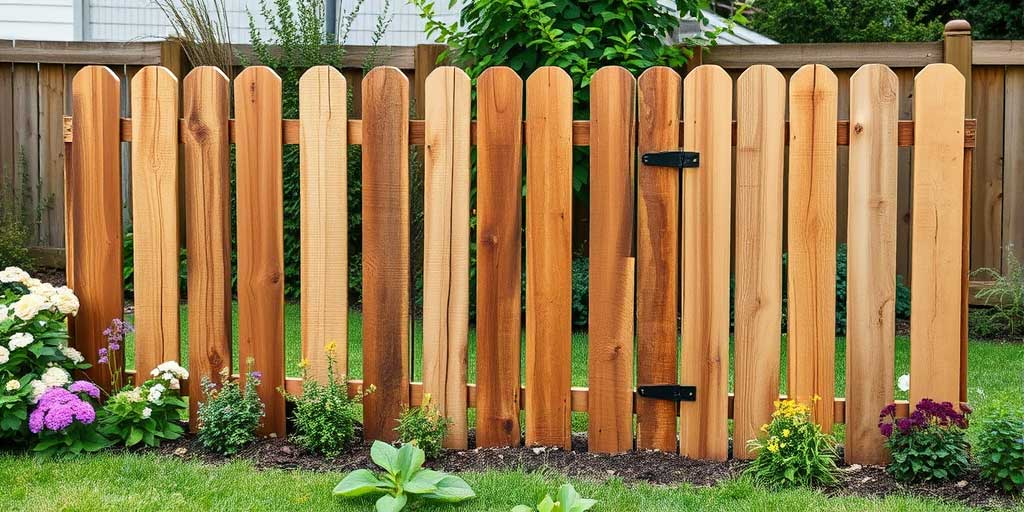
Wooden pallets are often free and surprisingly sturdy when secured properly. Many local stores give them away for free. They are heavy and provide a great visual barrier for dogs that get distracted by “squirrels” easily.
Best for: Medium to large dogs
Estimated Cost: Free–$50
Difficulty: Medium
Pros:
- Extremely budget-friendly
- Durable
- Rustic aesthetic
Cons:
- Requires sanding to avoid splinters
- Heavier and less portable
👉 Safety Note: Always sand down the wood to prevent splinters and check for protruding nails.
3. Chicken Wire & Wooden Stakes Fence
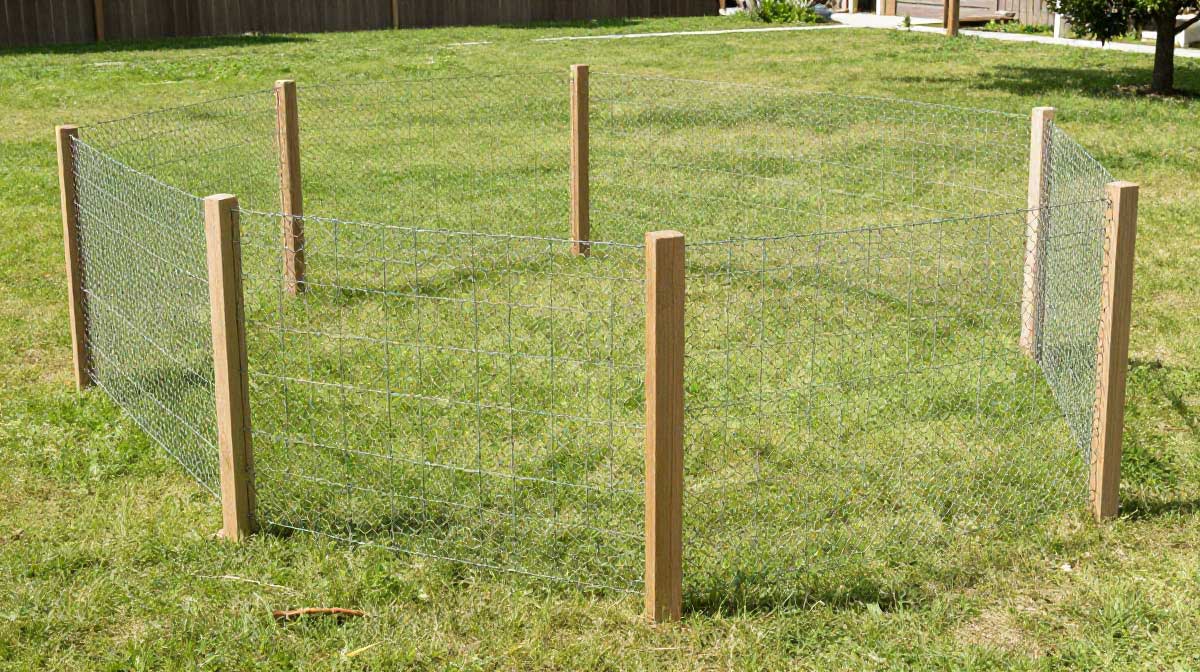
This is one of the fastest ways to create a fence for a large area to cover on a tight budget, chicken wire is the way to go. Simply drive wooden stakes into the ground and staple the wire to them.
Best for: All dog sizes (with proper height), calm dogs who just need a boundary marker.
Estimated Cost: $20–$60
Difficulty: Easy
Pros:
- Quick setup
- Covers large spaces easily
- Very affordable
Cons:
- Not visually appealing
- Can sag over time if not secured well
4. Re-Purposed Garden Edging Fence
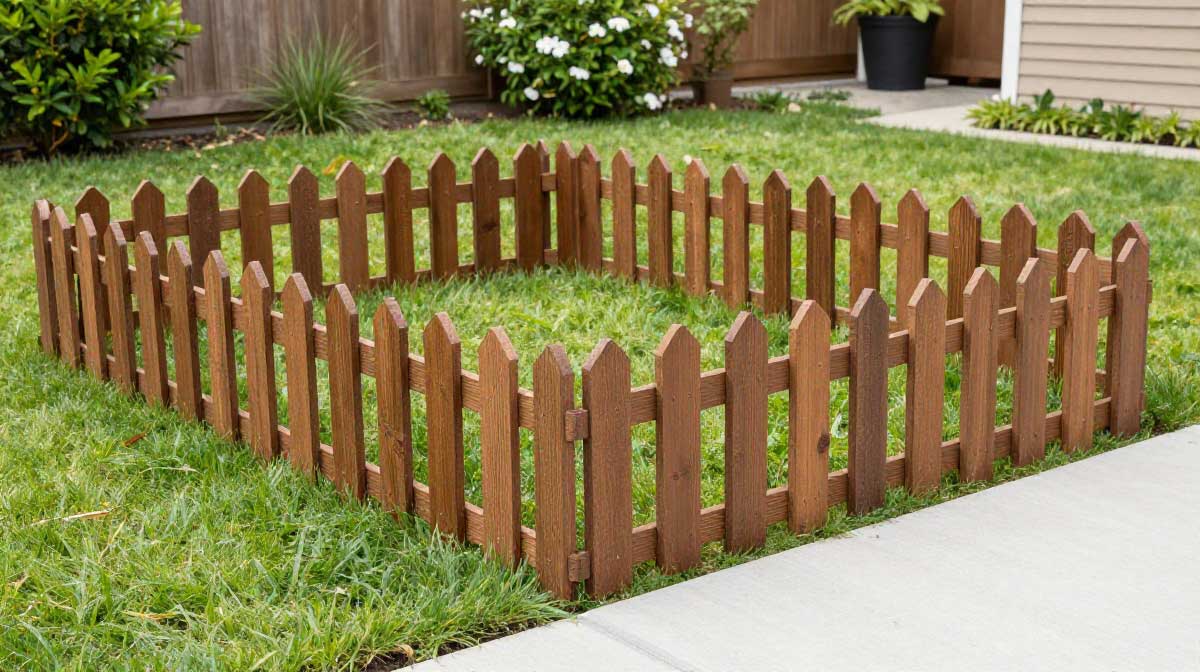
Garden edging panels can double as a low fence for smaller dogs. If you have a toy breed like a Chihuahua or a Pomeranian, you don’t need a massive wall. Decorative plastic or metal garden edging can serve as an attractive and simple barrier.
Best for: Small or toy breeds
Estimated Cost: $25–$80
Difficulty: Easy
Pros:
- Clean and decorative look
- Easy to install
- Lightweight
Cons:
- Too low for jumping dogs
- Limited durability
5. PVC Frame with Fabric Panels (Indoor/Patio Use)
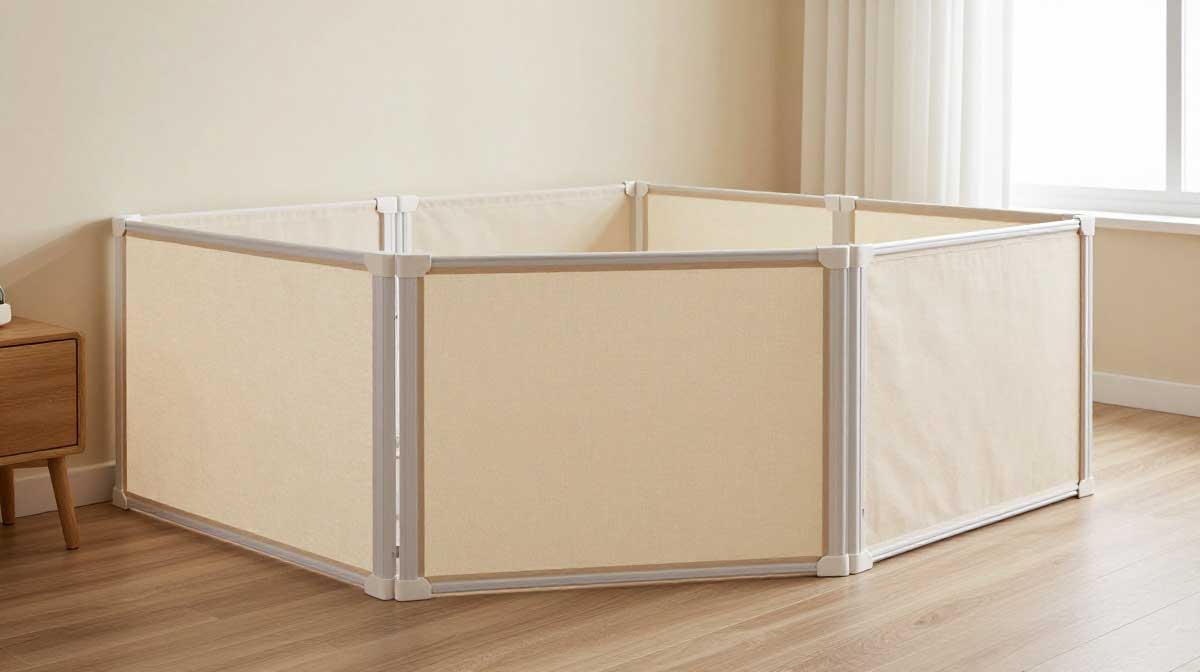
For an indoor or balcony solution, a PVC frame covered in colorful outdoor fabric looks more like a piece of furniture than a fence. It keeps the pup safe and matches your home decor! Just like our guide on 12 Clever Small Kitchen Island Ideas, this project proves that smart furniture-like designs can solve big space problems.
Best for: Indoor use or calm dogs
Estimated Cost: $30–$60
Difficulty: Easy
Pros:
- Lightweight
- Visually clean
- Safe for indoor use
Cons:
- Not weatherproof
- Not suitable for strong or active dogs
👉 This is a softer, more aesthetic option for indoor spaces, balconies, or patios.
6. Foldable Metal Playpen Fence
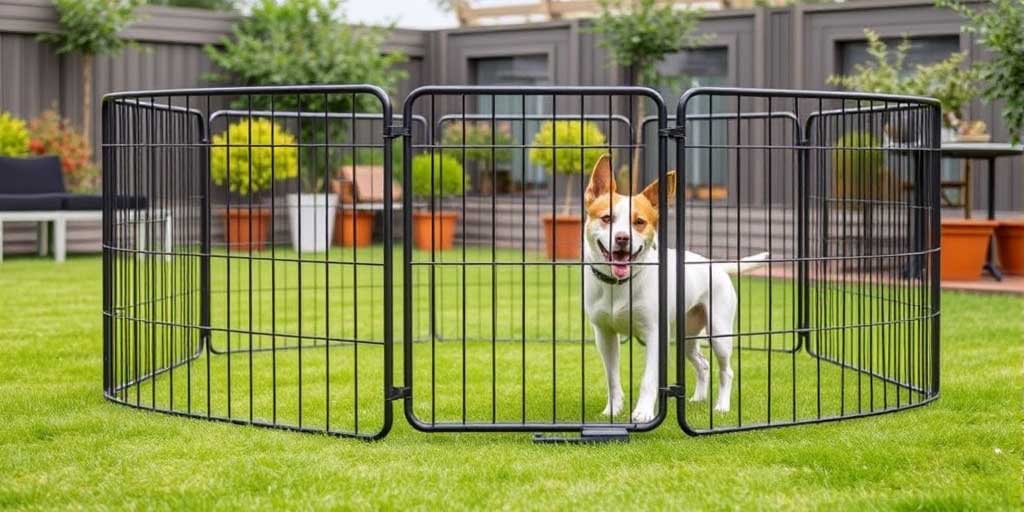
While technically not DIY from scratch, combining multiple playpen panels creates a flexible fence system.
Best for: Temporary setups
Estimated Cost: $50–$120
Difficulty: Very easy
Pros:
- No building required
- Foldable and portable
- Stronger than most DIY options
Cons:
- Slightly more expensive
- Limited customization
7. Plastic Poultry Netting Fence
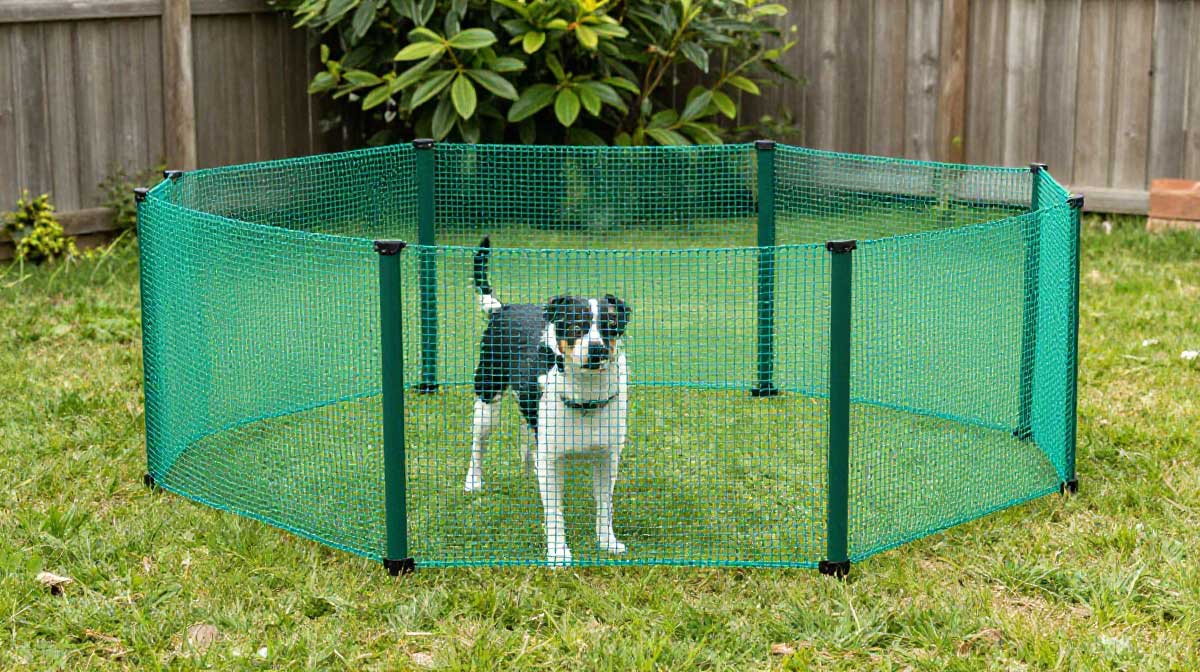
Lightweight plastic netting paired with stakes is perfect for quick setups.
Best for: Small dogs or temporary areas
Estimated Cost: $20–$50
Difficulty: Easy
Pros:
- Very affordable
- Quick installation
- Easy to move
Cons:
- Not durable long-term
- Not suitable for strong dogs
Safety First: The Dog Owner’s Planning Checklist
Before building your fence, take a moment to think about safety. A cheap fence isn’t worth it if it fails when you need it most.
✅ Jump Height Check: Your fence should be at least 2x your dog’s height when standing
✅ Dig-Proofing: If your dog likes to dig, secure the base or bury mesh 2–3 inches underground
✅ Visibility: Can your dog see through it? Some dogs are calmer when they can see out, while others prefer a solid barrier.
✅ Stability Test: Push against the fence—if it wobbles easily, it needs reinforcement
✅ Material Safety: Are there any sharp edges, toxic paints, or small gaps where a head could get stuck? Sand all wooden surfaces to prevent injuries
From experience, even a simple fence works great—as long as it’s built with your dog’s behaviour in mind.
Common Mistakes to Avoid
Avoid these common issues that can turn a simple project into a problem:
- Using materials with sharp edges
- Underestimating your dog’s jumping ability
- Skipping proper anchoring
- Ignoring weather conditions (wind, rain)
- Not checking neighbourhood or HOA rules
FAQ: Common Questions About DIY Dog Fencing
Q: What is the cheapest material for a dog fence?
A: Reclaimed wooden pallets or plastic poultry netting are usually the most affordable options. You can often find pallets for free at local warehouses.
Q: How do I stop my dog from digging under a fence?
A: The best way is to “L-foot” the fence. Extend the mesh or wire about 6 inches along the ground toward the inside of the yard and weigh it down with stones or tent stakes.
Q: Can portable fences withstand strong winds?
A: Yes—but you’ll need to reinforce them with deeper stakes or additional weight at the base.
Q: Are these fences safe for large, high-energy dogs?
A: For large breeds, the PVC or pallet options are best. However, always reinforce the stakes and ensure the height is sufficient to prevent them from jumping over.
Final Thoughts
You don’t need a permanent structure to create a safe outdoor space for your dog. With a little creativity, you can build a fence that’s affordable, flexible, and perfectly suited to your needs.
Start small, test what works, and adjust as needed. Even a simple setup can make a huge difference in your dog’s safety—and your peace of mind. Remember, the best fence is the one that fits your dog’s personality and your home’s layout. Happy building! Want to make your home even more pet-friendly? Check out our guide on 7 Best Indoor Plants for Bedrooms (Pet-Friendly Options).

Royan Abdillah is a home improvement enthusiast and interior design consultant with over 9 years of experience in the industry. Passionate about blending aesthetics with functionality, Royan Abdillah specializes in unique DIY furniture and pet-friendly home solutions. Through this blog, Royan Abdillah aims to help homeowners create beautiful, personalized spaces on a budget.
why tf did you use random fence photos, some of those are ripped right off of Atlas Fence, tf? Would have been far more helpful to use photos of the stuff you were actually talking about.
I was literally thinking the same. Which Pic was the fence your dad built?