
Want to add some greenery to your bedroom—but there’s just one problem?
No windows.
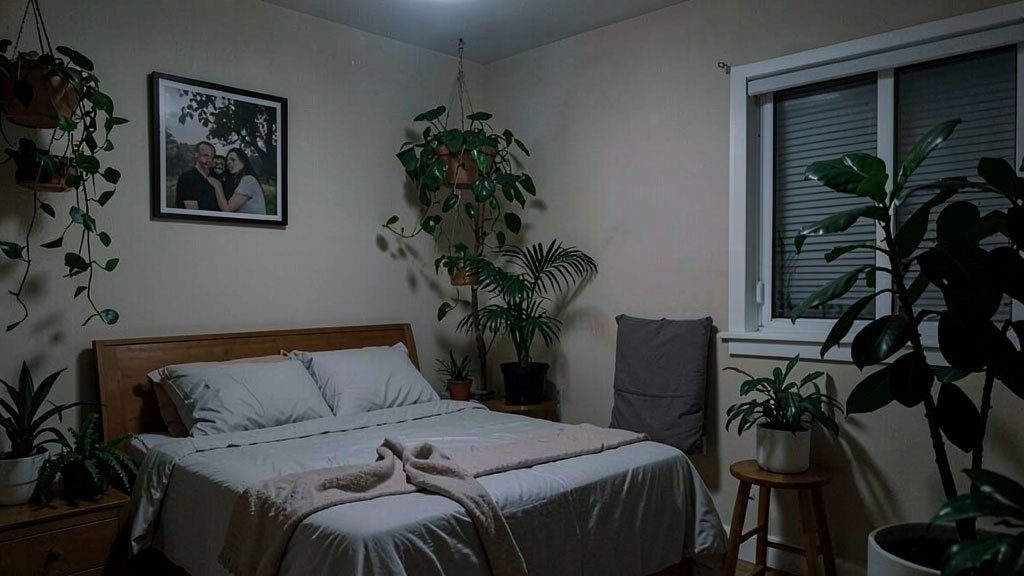
Can you really grow plants in a room that feels more like a cozy cave than a sun-drenched sanctuary? It’s a question many apartment dwellers and basement-dwellers ask. We all know the struggle: you want that “urban jungle” vibe, but your bedroom lacks a single window for natural light.
The common belief is that no window equals no plants. But here’s a professional indoor gardener’s secret: Many plants don’t actually need direct sun to thrive.
In fact, some of the hardiest indoor plants are perfectly happy living off the ambient LED or fluorescent light in your room. Not only do they add a much-needed pop of green, but they also act as natural air purifiers, making your windowless space feel fresher and more alive.
And the benefits go beyond aesthetics. The right plants can:
- improve air quality
- reduce stress
- make a small bedroom feel more alive
Even if your room feels like a cave, you can still bring a bit of nature inside.
Can Plants Really Survive Without Sunlight?
Short answer: yes—but with a few conditions.
While natural sunlight is ideal, many low light houseplants can survive under artificial lighting like LED or fluorescent bulbs. These light sources can provide enough energy for basic plant growth.
But here’s something important to understand:
👉 “No windows” doesn’t mean “no light at all.”
Your plants still need exposure to light—so keeping your room lights on for several hours a day is essential.
Think of it this way:
You’re not replacing sunlight entirely—you’re just giving your plants an alternative source.
Top 7 Low-Light Plants That Actually Work
Here are some of the best indoor plants for bedrooms with no windows—chosen based on real-world resilience, ease of care, and low-light tolerance.
1. Snake Plant (Sansevieria)
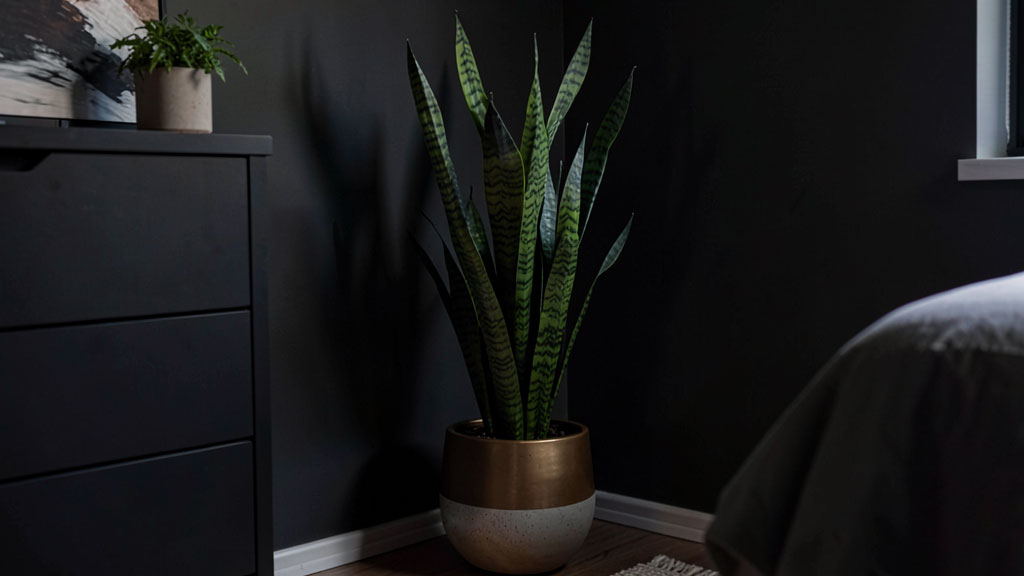
If you’re worried about killing your plants… start here.
If there was an award for the “King of Low Light,” the Snake Plant would win every time. Its stiff, sword-like leaves are incredibly efficient at converting artificial light into energy.
Snake plants are often called “indestructible” for a reason.
- Survives very low light
- Needs minimal watering
- Helps improve indoor air quality
👉 Perfect for beginners or forgetful plant owners.
- Why it’s perfect: It’s one of the few plants that continues to produce oxygen at night, which is a huge plus for sleep quality in enclosed rooms.
2. ZZ Plant (Zamioculcas zamiifolia)
The ZZ plant is the ultimate “set it and forget it” plant. It features waxy, deep green leaves that reflect whatever light is available in the room.
This plant thrives on neglect—in the best way possible.
- Handles low light extremely well
- Doesn’t need frequent watering
- Glossy leaves add a modern look
👉 One of the best choices for truly dark rooms.
- Care Tip: It’s a slow grower and thrives on neglect. If you’ve ever felt like a “plant killer,” the ZZ plant is your chance at redemption.
3. Pothos (Devil’s Ivy)
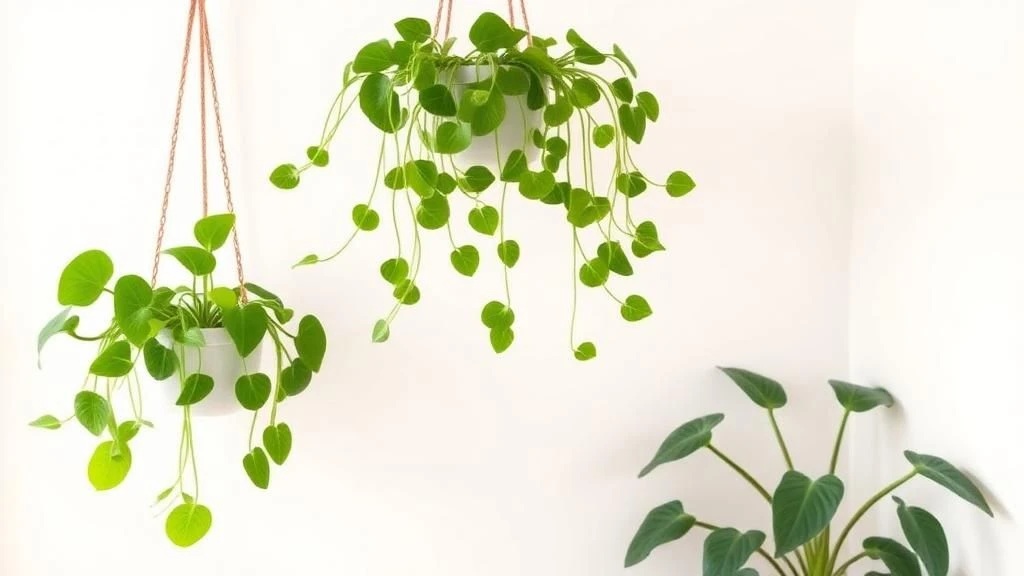
Looking for something a bit more decorative?
Pothos is famous for its beautiful, heart-shaped trailing vines. It’s incredibly versatile—you can let it hang from a high shelf or climb a wall.
Pothos has beautiful trailing vines that can instantly elevate your space.
- Grows well in low light
- Great for shelves or hanging planters
- Very forgiving if you forget to water
- Style Tip: In a small room, use Pothos to draw the eye upward. This vertical greenery makes the ceiling feel higher.
4. Peace Lily (Spathiphyllum)
This one brings both beauty and function.
If you want something that looks a bit more elegant, the Peace Lily is a great choice. It has lush, dark green leaves and occasionally produces white spade-like flowers.
- Known for air purification
- Elegant white blooms
- Slightly higher light needs than ZZ plant
👉 Place it near your main light source for best results.
- Air Purifier: It’s consistently ranked by NASA as one of the best plants for removing indoor toxins like formaldehyde and benzene.
5. Cast Iron Plant (Aspidistra elatior)
The name says it all. This plant is as tough as cast iron. It was a favorite in Victorian-era homes because it could survive in dark, drafty hallways with almost no light.
- Extremely tough and resilient
- Tolerates low light and neglect
- Slow-growing but very reliable
👉 Ideal if you want something long-lasting with minimal effort.
- Benefit: It grows in thick clumps, making it a great floor plant to fill up a dark corner.
6. Spider Plant (Chlorophytum comosum)
A great option if you want something light and playful.
With its spiky, variegated leaves, the Spider Plant adds a lot of texture to a room. It’s famous for producing “babies” (spiderettes) that dangle from the mother plant, which you can easily clip and grow in a new pot.
- Unique, spiky leaves
- Easy to care for
- Works well on small tables or shelves
👉 Also produces small “baby plants” over time.
7. Aglaonema (Chinese Evergreen)
If your room feels too plain, this plant adds instant color.
Most low-light plants are just plain green, but the Chinese Evergreen often comes with beautiful silver or pale green patterns. It’s extremely hardy and doesn’t mind the dry air often found in bedrooms.
- Tolerates low light conditions
- Beautiful patterned leaves
- Easy maintenance
👉 A great mix of aesthetics and practicality.
Pro Tips: How to Keep Plants Alive Without Windows
When you bring a plant into a windowless environment, the rules change slightly. To ensure your “green roommates” stay healthy, follow these professional tips:
- Mimic the Sun: Use your bedroom lights! If you’re already using, your plants will appreciate the extra hours of LED or fluorescent glow.
- The “Sunlight Bath”: Once every two weeks, move your plants to a brighter room for 24 hours. Think of it as a “recharge” for their energy levels.
- Be Careful with Water: Without sunlight, the soil takes much longer to dry out. Always poke your finger an inch into the soil; if it’s still damp, don’t water it.
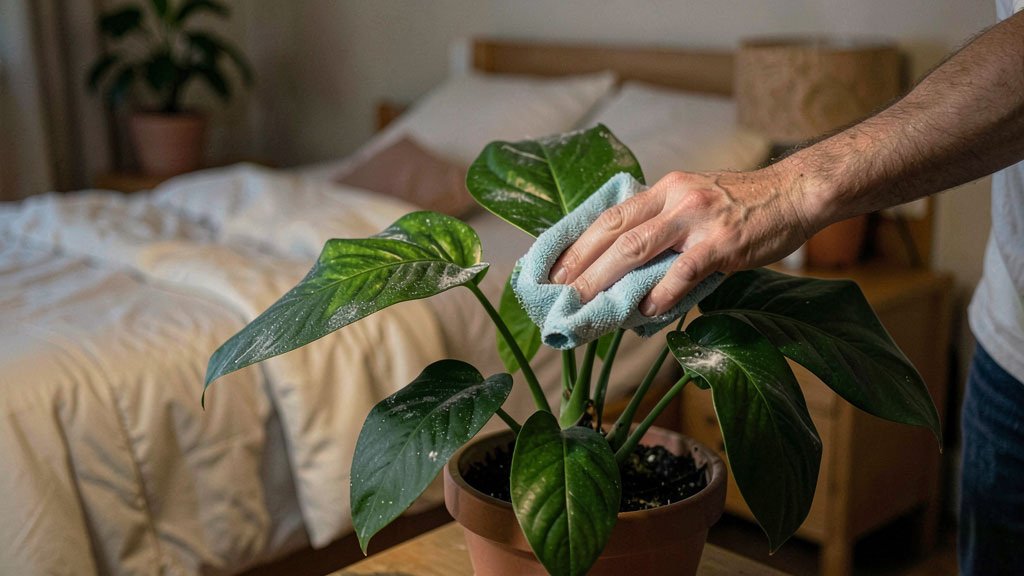
- Dust the Leaves: In a closed room, dust settles quickly. Use a damp cloth to wipe the leaves so they can “breathe” and absorb light efficiently.
Styling Tips: Where to Place Your Plants
In a small bedroom, placement matters just as much as plant choice.
Use Vertical Space
- Hanging planters
- Wall-mounted shelves
👉 This keeps your floor area open and uncluttered.
Where to Place Your New Greenery?
In a compact bedroom, placement is key to keeping the room feeling open. We recommend placing your ZZ or Snake plants on a slim nightstand or using wall-mounted planters for your Pothos.
Even artificial light helps—so position your plants near lamps or LED lighting.
👉 If you haven’t optimized your lighting yet, check out our guide on Best Lighting for Small Bedroom with No Windows to make your space brighter and more plant-friendly.
The “No-Window” Plant Care Checklist
Growing plants in a windowless room requires a slightly different approach than a standard sunlit garden. Use this checklist to ensure your green friends stay healthy and vibrant:
- Select the Right Species: Stick to “low-light survivors” like Snake Plants, ZZ Plants, or Pothos.
- Lighting Hours: Keep your artificial lights (LED or Fluorescent) on for at least 8–10 hours a day to mimic daylight.
- The Finger Test: Before watering, stick your finger 1 inch into the soil. If it feels damp, wait another few days.
- Drainage Check: Ensure your pots have drainage holes at the bottom to prevent root rot in the cool, dark air.
- Leaf Dusting: Wipe the leaves with a damp cloth once a month so they can absorb light more efficiently.
- Bi-Weekly Rotation: (Optional but recommended) Move your plant to a room with a window for 24 hours every two weeks for a “sunlight recharge.”
- Fertilizer Alert: Avoid over-fertilizing. Plants in low light grow slower and don’t need as many nutrients as sun-drenched plants.
- Vertical Placement: Use wall shelves or hanging planters to save floor space while giving your plants better exposure to ceiling lights.
Conclusion
Living in a windowless room doesn’t mean you have to miss out on the joy of indoor gardening. By choosing “low-light survivors” like the Snake Plant or Pothos and being mindful of your lighting, you can create a bright, fresh, and relaxing sanctuary. Sometimes, a little bit of green is all you need to make a “cave” feel like a home. With the right choices and a bit of care, you can create a space that feels fresh, alive, and surprisingly relaxing—even without natural light.
👉 For more ideas on how to arrange your space, check out our guide on Small Bedroom Layout Tips.

Royan Abdillah is a home improvement enthusiast and interior design consultant with over 9 years of experience in the industry. Passionate about blending aesthetics with functionality, Royan Abdillah specializes in unique DIY furniture and pet-friendly home solutions. Through this blog, Royan Abdillah aims to help homeowners create beautiful, personalized spaces on a budget.