Creating the right bedroom environment plays an important role in supporting better sleep quality. Small adjustments to elements such as the mattress, bedding, temperature, lighting, and overall room design can make a noticeable difference in how easily the body relaxes at night. By focusing on comfort and consistency, a bedroom can become a space that naturally encourages restful sleep.
Choosing the Right Mattress for Better Sleep Quality
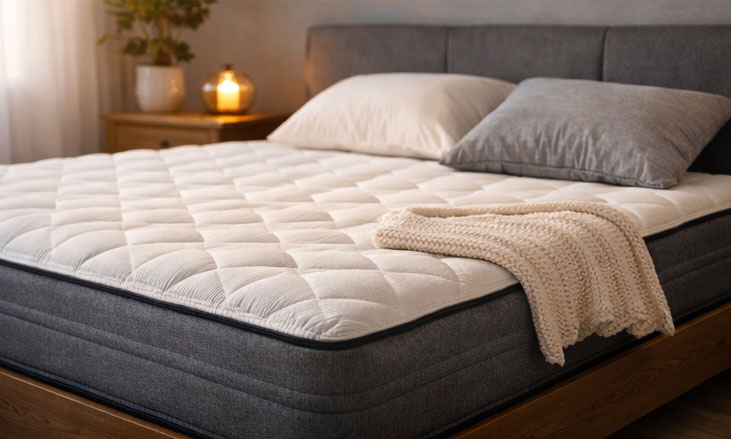
Understanding the best mattress firmness for sleep can help reduce pressure points and improve comfort. A mattress is one of the most important components of a sleep-friendly bedroom. The right level of firmness helps support the spine and reduces pressure on the body during rest. A mattress that is too soft may cause poor alignment, while one that is too firm can lead to discomfort, especially around the shoulders and hips.
Sleeping position also matters. Side sleepers often benefit from a slightly softer surface that cushions pressure points, while back and stomach sleepers may prefer firmer support. Mattress materials can also influence comfort. Memory foam is known for contouring to the body and reducing motion transfer, while latex mattresses offer a more responsive feel and tend to be durable. Natural materials such as organic cotton or wool can also help regulate temperature and create a more breathable sleep surface. Understanding the best mattress firmness for sleep can help reduce pressure points and improve comfort, especially when choosing the right mattress for better sleep quality.
The Importance of High-Quality Bedding Materials
Bedding materials have a direct impact on comfort throughout the night. Breathable fabrics like cotton and linen are often recommended as breathable bedding materials for sleep because they support better airflow and temperature regulation, so it can reduce the risk of overheating. Softer, well-made sheets can also improve overall sleep comfort and durability over time.
Comforters and duvets should provide warmth without feeling heavy or restrictive. Lightweight options with good insulation are often more comfortable for year-round use. Pillows also play a key role in sleep quality. Choosing a pillow that matches sleeping posture can help maintain proper neck alignment and reduce tension. Together, well-chosen bedding materials contribute to a bedroom environment that feels inviting and restful.
Maintaining an Ideal Bedroom Temperature

Room temperature is another important factor in creating the best bedroom environment for better sleep. Maintaining the best bedroom temperature for sleep helps the body relax and fall asleep more easily. Many sleep experts suggest that a slightly cooler room supports the body’s natural sleep process. Temperatures that are too warm can interfere with falling asleep and staying asleep comfortably.
Consistent temperature control helps prevent disruptions during the night. Simple solutions such as breathable bedding, ceiling fans, or proper ventilation can improve airflow and comfort. Keeping windows and doors closed during sleep can also help maintain a stable environment without sudden temperature changes. Using breathable sleepwear can also help maintain comfort when room temperature changes slightly during the night.
Reducing Noise and Light for Better Sleep
Effective noise reduction for better sleep can improve sleep continuity, especially in busy or urban areas. Excess noise can interfere with sleep quality by interrupting natural sleep cycles. Common sources such as traffic or household sounds may be reduced with practical solutions like thick curtains, rugs, or soft furnishings that absorb sound. White noise machines or background sound apps can also help mask sudden noises and create a more consistent audio environment.
Light exposure is equally important to manage. Managing light exposure, especially through proper bedroom lighting for better sleep (/bedroom-lighting-for-better-sleep), can improve sleep consistency and comfort. Bright or uneven lighting can signal the brain to stay alert. Blackout curtains are an effective way to block outside light, especially in urban areas. Dimming indoor lights in the evening can also help the body transition into a relaxed state before bedtime.
Using Calming Colors and Simple Decor
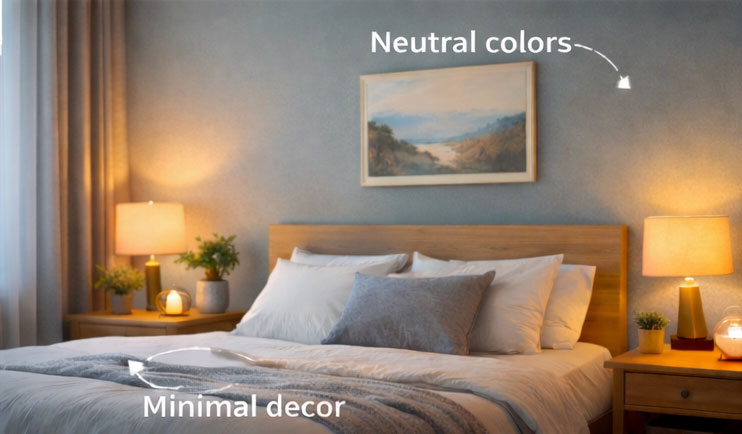
The visual atmosphere of a bedroom can influence relaxation and mood. Soft, neutral tones such as light blues, greens, and warm earth colors are often associated with a calming effect. These shades can help create a peaceful setting that supports rest.
Minimal and intentional decor can further enhance the feeling of calm. Reducing clutter makes the space feel more organized and less stimulating. Soft textures, such as rugs or throws, add comfort without overwhelming the room. Some people also choose to include plants, which can improve the overall ambiance and bring a natural element into the space.
Conclusion
Creating the best bedroom environment for better sleep involves more than one single change. A supportive mattress, comfortable bedding, balanced room temperature, reduced noise and light, and calming decor all work together to support restful sleep. By paying attention to these details, it is possible to create a bedroom that promotes relaxation and encourages healthier sleep habits over time.
Disclaimer
This article is for informational purposes only and does not replace professional medical advice.