
A small bedroom does not have to feel cramped or uncomfortable. With the right design approach, even a compact space can feel open, balanced, and relaxing. By focusing on layout, color choices, lighting, furniture selection, and smart organization, it is possible to visually expand a small bedroom without major renovations.
Below are practical and proven ways to make a small bedroom feel bigger while maintaining comfort and functionality.
Optimize the Layout for Better Flow
Layout is the foundation of a spacious-feeling bedroom. In a small room, furniture placement should allow easy movement and avoid blocking natural pathways. Keeping walkways clear around the bed and main furniture pieces helps the room feel more open and functional. A well-planned bed placement in a small bedroom is the first step to ensuring your layout remains functional and spacious
Placing larger furniture against the walls and leaving the center of the room as open as possible creates a sense of balance. A thoughtful layout not only improves visual space but also enhances daily comfort and relaxation.
Use Light and Neutral Colors
Color plays a powerful role in how large or small a room feels. Light and neutral tones, such as white, beige, soft gray, or pale pastels, reflect light and create an airy atmosphere. These colors visually push walls outward, making the room feel more spacious.
Using a consistent color palette throughout the bedroom also helps reduce visual clutter. When walls, bedding, and furniture complement each other, the space feels more cohesive and less confined.
Improve Lighting to Open Up the Space
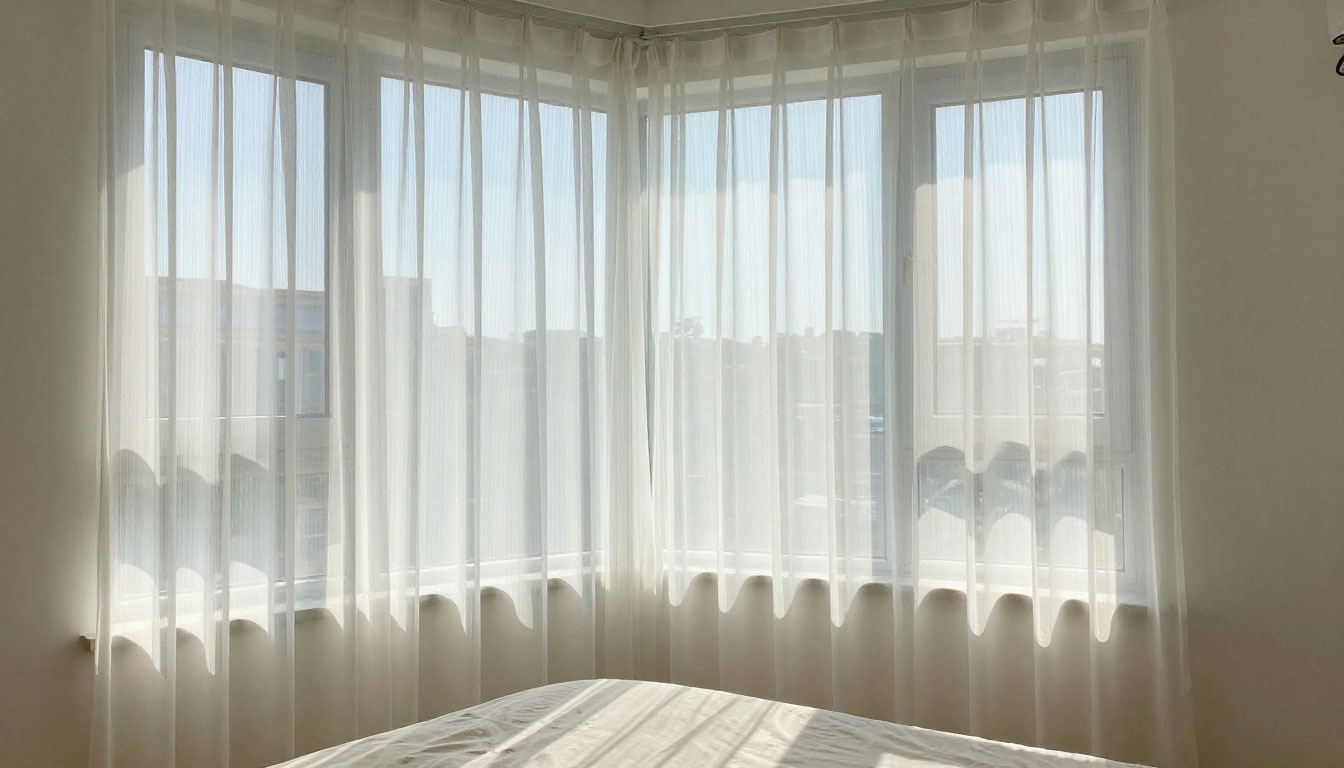
Good lighting is essential for making a small bedroom feel bigger. Natural light should be maximized whenever possible by keeping windows unobstructed. Sheer curtains or light window treatments allow daylight to enter while maintaining privacy.
Layered lighting works well in compact spaces. Combining ceiling lights, bedside lamps, and soft ambient lighting reduces harsh shadows and creates depth. Warm, evenly distributed lighting makes the room feel more open and comfortable, especially in the evening.
Choose Furniture That Fits the Room
Oversized furniture can quickly overwhelm a small bedroom. Choosing furniture that fits the scale of the room helps maintain visual balance and improves functionality. Beds, nightstands, and dressers should allow enough space for movement without crowding the room.
Multi-functional furniture is especially effective in small bedrooms. Storage beds, slim nightstands, and compact wardrobes reduce the need for extra pieces, keeping the space open and organized.
Use Mirrors to Create Visual Depth
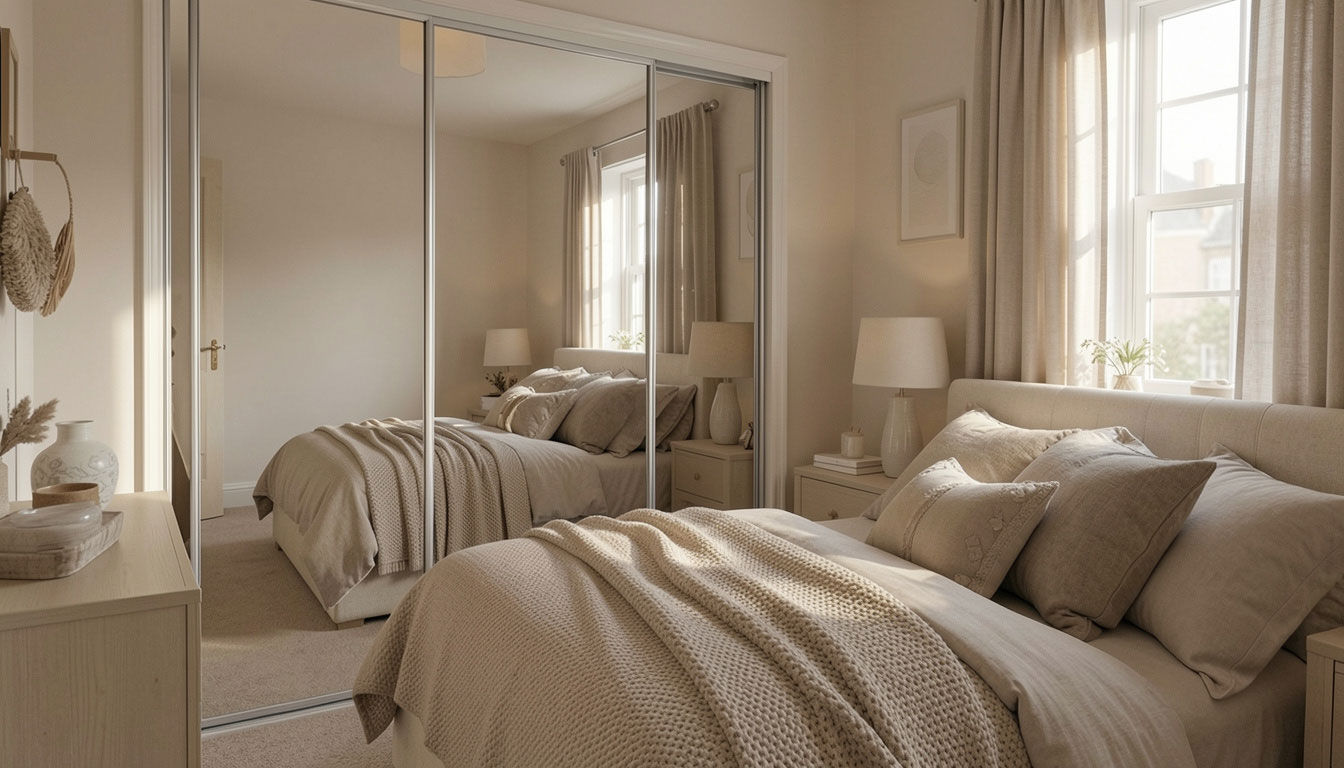
Mirrors are one of the most effective tools for making a small bedroom feel larger. When placed strategically, mirrors reflect light and create the illusion of depth. Positioning a mirror opposite a window can significantly enhance brightness and openness.
Large wall mirrors or mirrored closet doors can visually double the size of the room. Keeping mirror frames minimal ensures they blend seamlessly into the design without adding visual weight.
Apply Smart Bed Placement
Bed placement has a major impact on how spacious a bedroom feels. Positioning the bed against a solid wall helps anchor the layout and keeps the room visually balanced. Avoid blocking windows or doorways, as this can disrupt flow and reduce natural light.
Ensuring at least one clear side of the bed remains accessible improves both comfort and functionality. Proper bed placement supports a calmer layout and contributes to a more open environment.
Declutter and Use Vertical Storage
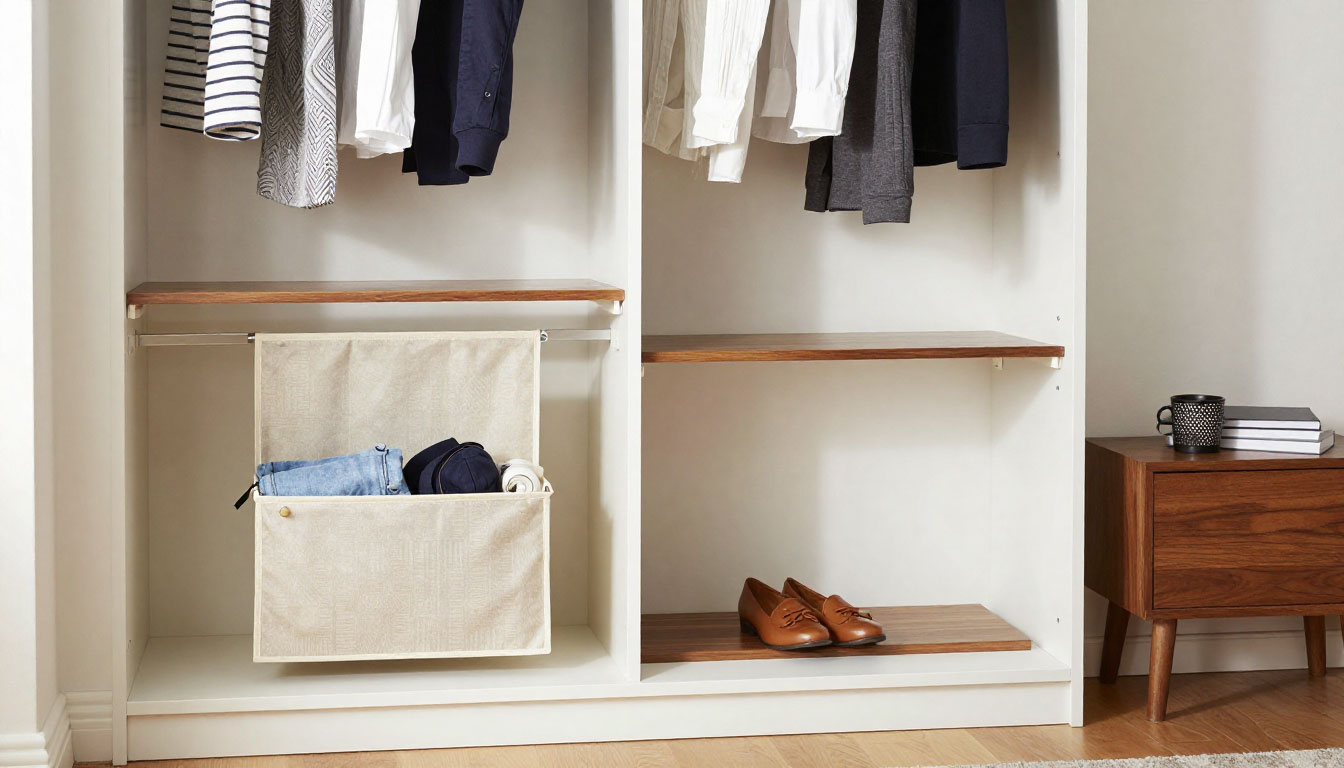
Decluttering is one of the most effective ways to create the feeling of more space. Keeping only essential items in the bedroom reduces visual noise and makes the room feel lighter. Clear surfaces and organized storage improve both appearance and comfort.
Vertical storage solutions, such as wall-mounted shelves, help maximize space without occupying the floor. By storing items higher on the wall, the room feels taller and less crowded while remaining practical.
Quick Checklist: How to Maximize Your Small Bedroom Space
Ready to transform your room? Use this checklist to ensure you’ve covered all the essential design steps:
- Wall-to-Wall Layout: Is the bed placed against a solid wall to maximize floor space?
- Clear Pathways: Is there at least 2 feet of walking space around the bed?
- Light Palette: Are the walls and bedding using light or neutral colors (whites, creams, or soft grays)?
- Window Check: Are the windows unobstructed to let in maximum natural light?
- Furniture Scale: Are the nightstands and dressers proportional to the room (not oversized)?
- The Mirror Trick: Is there at least one large mirror placed to reflect light and create depth?
- Smart Storage: Have you utilized vertical space or under-bed storage for non-essential items?
- Daily Declutter: Are the surfaces (tops of dressers/nightstands) clear of unnecessary items?
Conclusion: Making a small bedroom feel bigger is all about smart design choices rather than major changes. By optimizing layout, using light colors, improving lighting, choosing appropriately sized furniture, adding mirrors, applying proper bed placement, and maintaining a clutter-free environment, a small bedroom can feel open, comfortable, and inviting. With these simple strategies, even limited space can be transformed into a restful bedroom that supports better sleep and everyday comfort.

Royan Abdillah is a home improvement enthusiast and interior design consultant with over 9 years of experience in the industry. Passionate about blending aesthetics with functionality, Royan Abdillah specializes in unique DIY furniture and pet-friendly home solutions. Through this blog, Royan Abdillah aims to help homeowners create beautiful, personalized spaces on a budget.