
A rust accent chair is more than just a piece of furniture—it’s often the statement piece that brings warmth and personality to a living room. With its rich earthy tone, it can instantly make a space feel more inviting. However, once the chair is in place, many homeowners find themselves asking the same question: What wall color will make it look its best?
The answer isn’t always obvious. A wall color that looks beautiful in a paint catalog may clash with the warm undertones of rust once it’s applied. Likewise, choosing the wrong shade can make a small living room feel darker or cause your accent chair to blend into the background instead of standing out.
The good news is that you don’t need to be an interior designer to get it right. By understanding how paint colors interact with lighting, room size, and your existing décor, you can create a balanced space that feels warm, welcoming, and timeless.
In this guide, you’ll discover seven wall colors that pair beautifully with a rust accent chair, along with practical tips for choosing the right paint based on your home’s lighting and decorating style.
While choosing the right wall color is an important first step, it’s only one part of creating a cohesive living room. Window treatments also play a major role in balancing warm tones, so you may also enjoy our guide on choosing the right curtain colors for a rust accent chair.
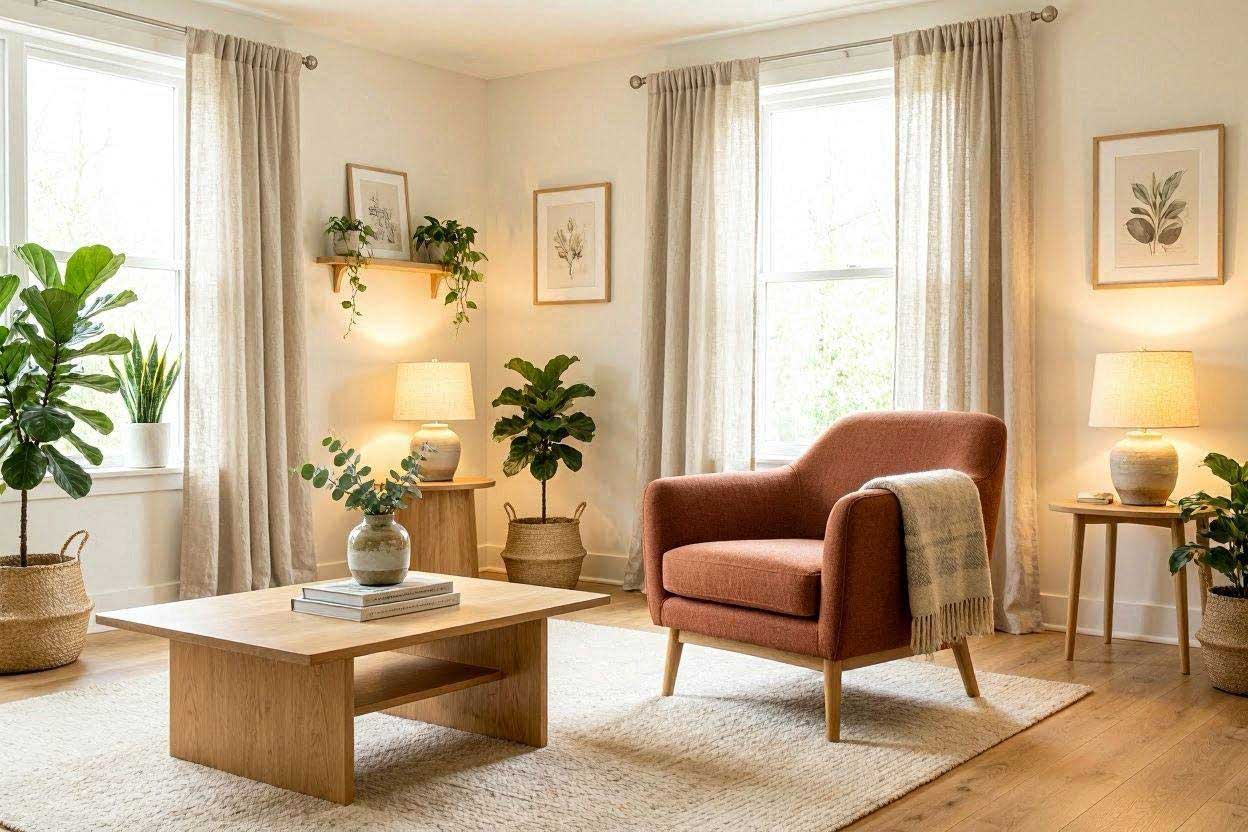
Why Wall Color Makes a Big Difference
Your wall color does much more than fill empty space—it sets the stage for everything else in your living room. Because walls cover the largest surface area in a room, they influence how furniture colors are perceived, including the rich, earthy tone of a rust accent chair.
A thoughtfully chosen wall color can make your chair feel warm and inviting, while the wrong shade may create too much contrast or cause the room to feel visually unbalanced. This is especially noticeable in smaller living rooms, where every color plays a bigger role in shaping the overall atmosphere.
Lighting is another important factor. Natural daylight changes throughout the day, affecting how paint colors appear on your walls. A warm white may look soft and creamy in the morning but appear brighter by afternoon. Cooler shades, meanwhile, can sometimes feel flat in rooms that receive little sunlight.
Instead of choosing a paint color simply because it’s trendy, think about how it supports your rust accent chair and the overall mood you want to create. The goal isn’t to match the chair perfectly—it’s to provide a backdrop that allows it to stand out naturally.
To make your decision easier, let’s start with a quick overview of the wall colors that consistently work well with rust-toned furniture.
Quick Guide: Best Wall Colors for a Rust Accent Chair
If you’re looking for a quick recommendation, the table below highlights seven wall colors that consistently complement a rust accent chair. Each one creates a different atmosphere, so the right choice depends on your decorating style, room size, and the amount of natural light your living room receives.
Wall Color Best Interior Style Small Room Friendly Overall Feel Warm White Scandinavian, Minimalist ⭐⭐⭐⭐⭐ Bright & Timeless Greige Transitional, Modern ⭐⭐⭐⭐⭐ Elegant & Versatile Soft Beige Farmhouse, Rustic ⭐⭐⭐⭐⭐ Cozy & Welcoming Sage Green Organic Modern, Japandi ⭐⭐⭐⭐☆ Calm & Natural Light Gray Contemporary ⭐⭐⭐⭐☆ Clean & Balanced Taupe Transitional, Classic ⭐⭐⭐⭐☆ Sophisticated Soft Clay Mediterranean, Boho ⭐⭐⭐☆☆ Warm & Earthy
👉 Quick Take: If you’re unsure where to begin, warm white and greige are the safest choices. Both colors brighten the room, complement the warm undertones of a rust accent chair, and remain timeless even if you update your furniture or décor in the future.
Now, let’s take a closer look at each color and discover where it works best.
7 Best Wall Colors That Go with a Rust Accent Chair
The best wall color doesn’t compete with a rust accent chair—it enhances it. Rather than trying to match the chair exactly, choose a paint color that creates balance and allows the rich rust tone to become a natural focal point in the room.
Here are seven designer-approved paint colors that pair beautifully with a rust accent chair.
1. Warm White for a Bright and Timeless Living Room
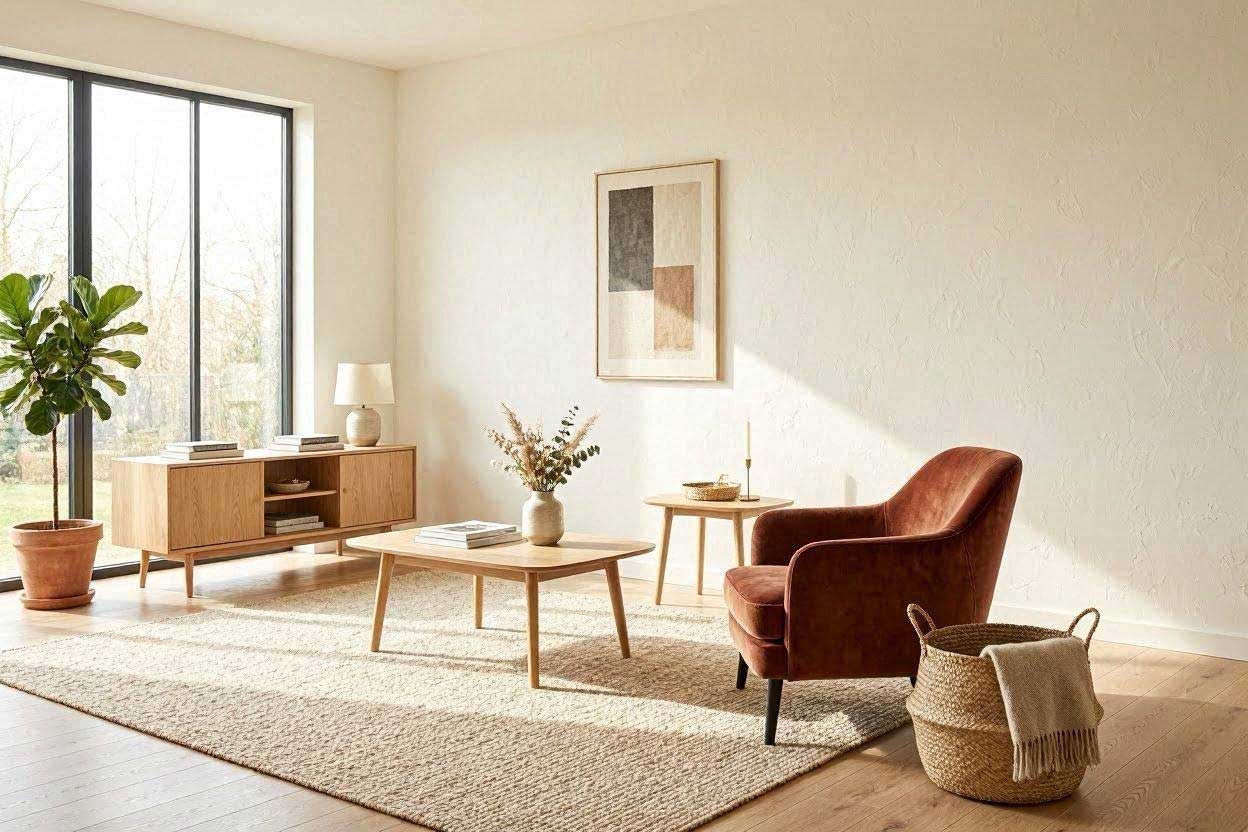
If you want a color that never goes out of style, warm white is one of the best options. Unlike cool white, which can sometimes feel stark, warm white has subtle creamy undertones that soften the bold character of a rust accent chair.
This combination works especially well in small living rooms because it reflects natural light and creates the illusion of a larger, more open space. At the same time, the warmth in the paint keeps the room from feeling sterile or overly minimal.
Warm white also gives you the freedom to update your décor over time. Whether you switch from Scandinavian to modern farmhouse or add darker wood furniture later, the wall color will continue to work beautifully.
Best for:
- Small living rooms
- Apartments with limited natural light
- Scandinavian interiors
- Minimalist homes
- Open-concept spaces
💡 Designer Tip: Choose a warm white with creamy or ivory undertones instead of a bright, bluish white. The softer warmth complements a rust accent chair far more naturally and creates a welcoming atmosphere.
2. Greige for Effortless Elegance
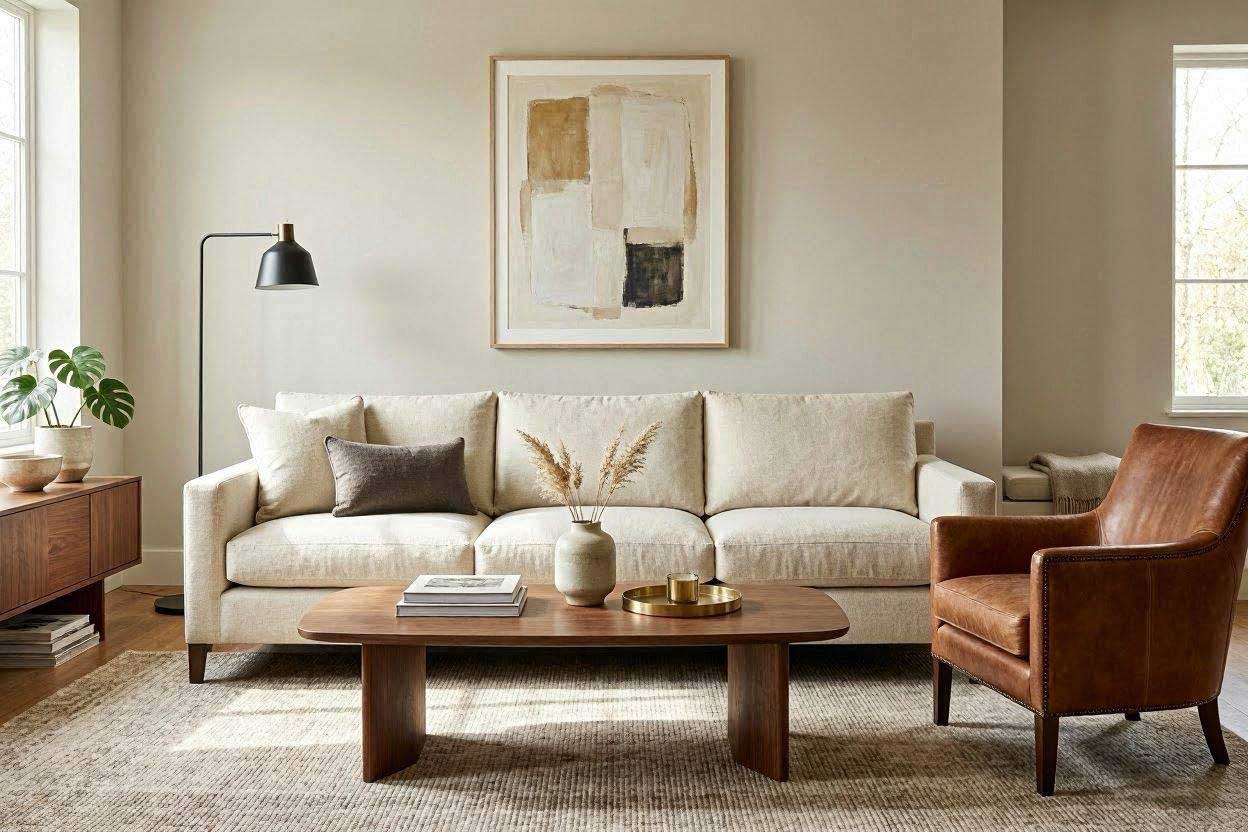
If you can only choose one neutral paint color, greige deserves serious consideration. Blending the warmth of beige with the subtle sophistication of gray, greige creates a balanced backdrop that allows a rust accent chair to stand out without dominating the room.
One of greige’s biggest strengths is its flexibility. It pairs beautifully with natural wood, black metal accents, cream upholstery, and woven textures, making it an excellent choice if you like refreshing your décor every few years.
Greige also adapts well to changing light throughout the day. In bright rooms it feels fresh and airy, while in softer evening light it creates a cozy, inviting atmosphere.
Best for:
- Transitional interiors
- Modern homes
- Open-plan living spaces
- Neutral color palettes
- Homes with mixed wood finishes
💡 Designer Tip: Before painting an entire room, test a greige sample on different walls. Some greige paints lean warmer, while others have cooler gray undertones that can look very different depending on your home’s natural light.
3. Soft Beige for a Warm and Inviting Space
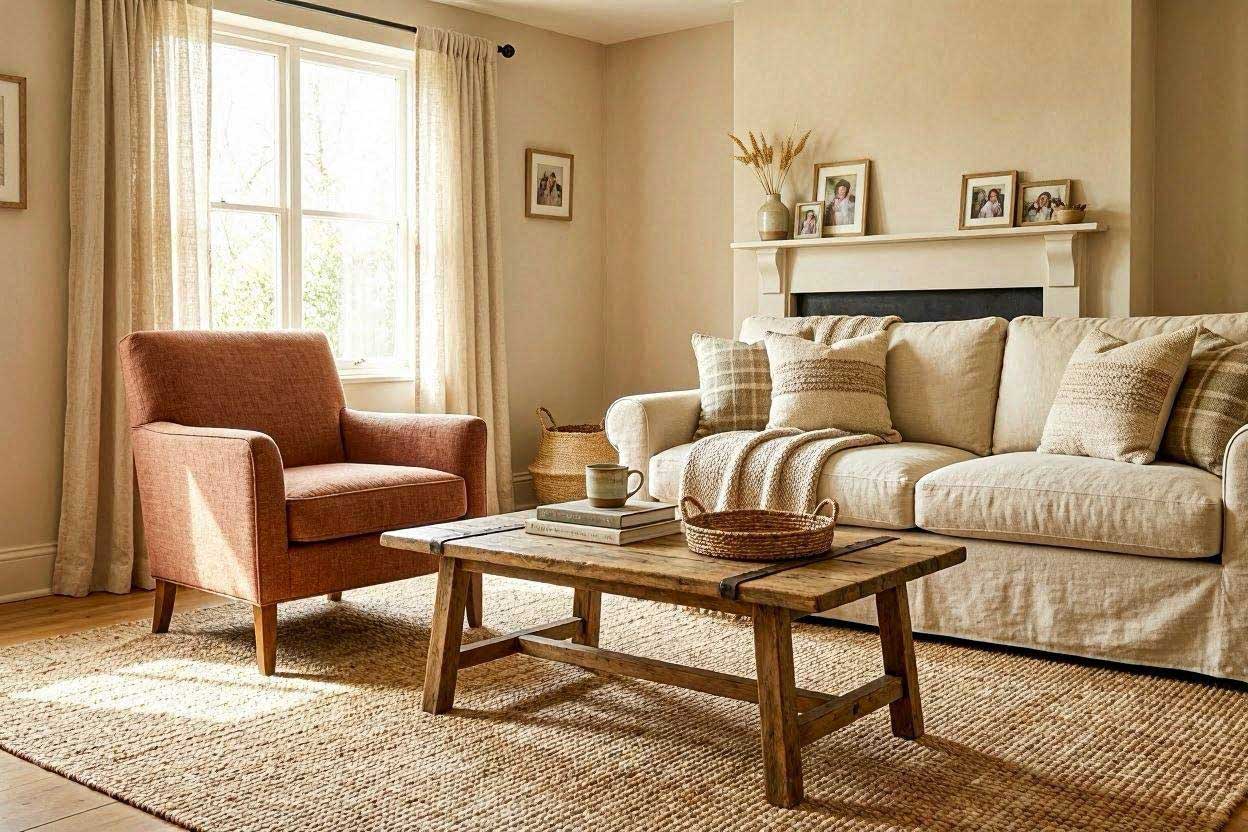
If your goal is to create a cozy living room that feels comfortable year-round, soft beige is a timeless choice. Its warm undertones naturally complement the earthy richness of a rust accent chair, resulting in a relaxed and harmonious color palette.
Unlike darker beige shades, a soft beige keeps the room feeling open while adding just enough warmth to make the space feel welcoming. It’s particularly effective in farmhouse, rustic, and traditional interiors where natural wood, woven textures, and neutral fabrics are already part of the design.
Another advantage of soft beige is its versatility. It works well with both light and dark furniture, giving you more flexibility if you decide to update your décor in the future.
Best for:
- Farmhouse interiors
- Rustic living rooms
- Family spaces
- Homes with wood furniture
- Cozy neutral color schemes
💡 Designer Tip: Pair soft beige walls with a few black accents—such as picture frames or light fixtures—to add definition and prevent the room from feeling too monochromatic.
4. Sage Green for a Relaxed, Nature-Inspired Look
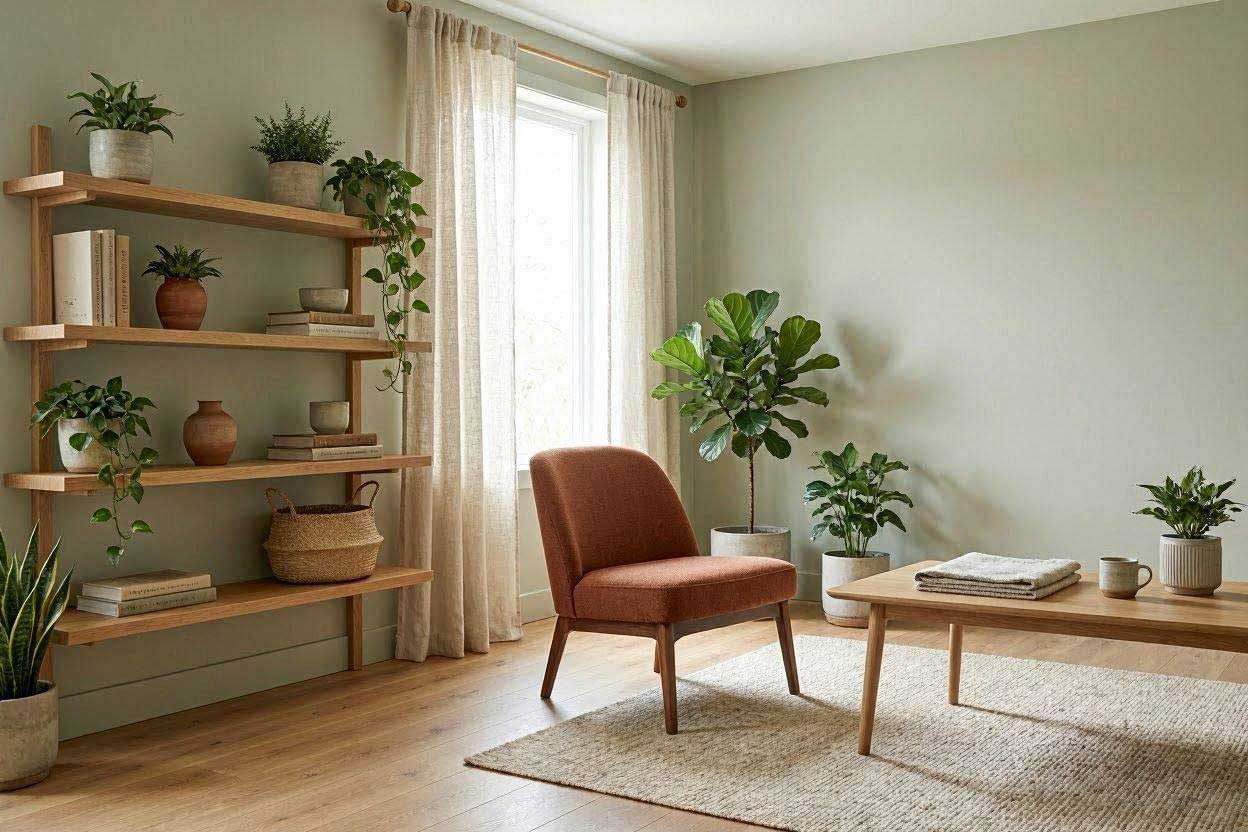
If you want your living room to feel calm and connected to nature, sage green is one of the most rewarding paint colors to pair with a rust accent chair. The muted green tone creates gentle contrast with rust, allowing both colors to complement each other without competing for attention.
Unlike brighter greens, sage has soft gray undertones that make it feel sophisticated rather than overwhelming. This subtle balance works particularly well in homes that embrace natural materials such as oak furniture, woven baskets, linen fabrics, and indoor plants.
Another advantage of sage green is its ability to change beautifully throughout the day. In morning light, it feels fresh and airy, while in the evening it creates a warm, relaxing atmosphere that makes the living room feel comfortable and inviting.
Works best in:
- Organic modern interiors
- Japandi-inspired homes
- Living rooms with plenty of natural light
- Spaces featuring natural wood furniture
💡 Designer Tip: Before committing to sage green, test a sample on different walls. The amount of sunlight your room receives can subtly change how green—or how gray—the paint appears.
5. Light Gray for a Fresh, Contemporary Feel
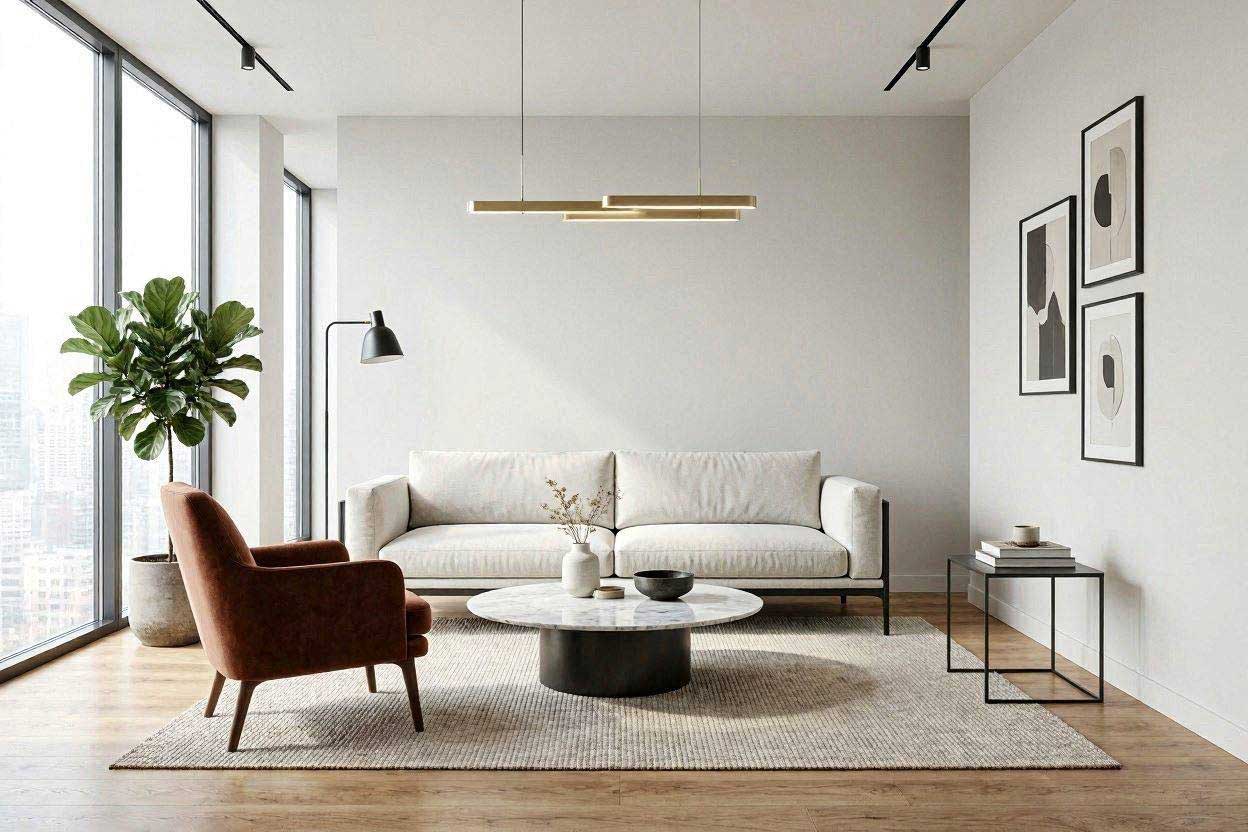
For homeowners who prefer a clean and modern aesthetic, light gray offers a timeless backdrop that lets a rust accent chair become the room’s statement piece. Its cool neutrality balances the chair’s warm tones, creating a living room that feels refined without looking overly formal.
The key is choosing the right shade of gray. Very cool grays with blue undertones can sometimes make rust appear dull, especially in rooms with limited daylight. Instead, look for a light gray with subtle warm undertones to maintain visual harmony.
Light gray is also a practical choice if you enjoy changing your décor over time. It works well with black accents, white trim, natural wood furniture, and a wide variety of seasonal accessories.
Works best in:
- Contemporary homes
- Minimalist interiors
- Living rooms with large windows
- Neutral color palettes
💡 Designer Tip: Always compare a gray paint sample against a white sheet of paper. This simple trick makes it easier to spot hidden blue, green, or purple undertones before you paint the entire room.
6. Taupe for a Sophisticated and Timeless Interior
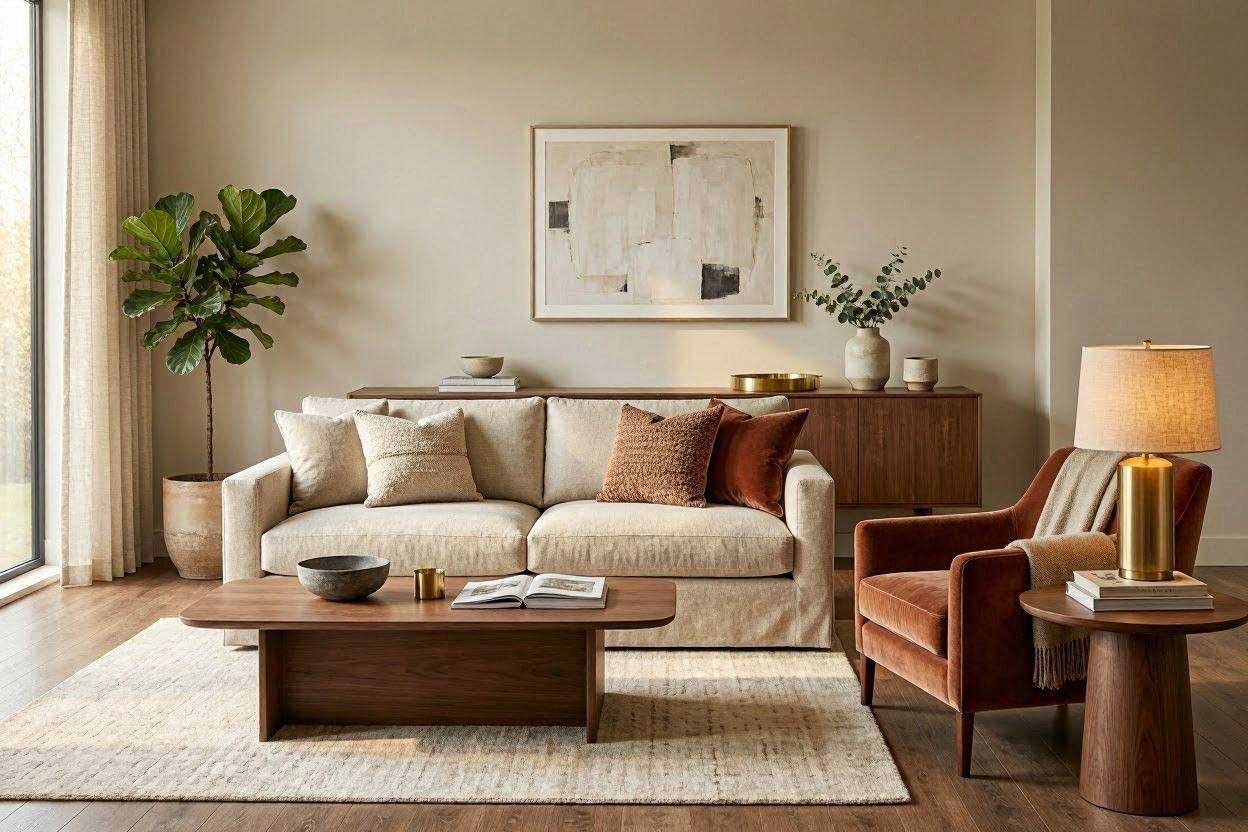
If you’re looking for a paint color that feels elegant without being overly trendy, taupe is an excellent choice. Sitting between gray and brown, taupe offers depth and warmth while maintaining a refined appearance that complements a rust accent chair beautifully.
One of taupe’s greatest strengths is its versatility. It pairs effortlessly with walnut furniture, cream upholstery, brass accents, and textured fabrics, making it suitable for both classic and transitional interiors.
Because taupe naturally contains warm undertones, it softens the boldness of rust rather than creating a sharp contrast. The result is a layered, cohesive look that feels welcoming and sophisticated.
Works best in:
- Transitional living rooms
- Traditional homes
- Spaces with medium to large windows
- Homes featuring warm wood finishes
💡 Designer Tip: Taupe can vary significantly between paint brands. Instead of choosing based on the color swatch alone, view a painted sample in natural daylight and under your evening lighting before making a final decision.
7. Soft Clay for Warm, Earthy Character
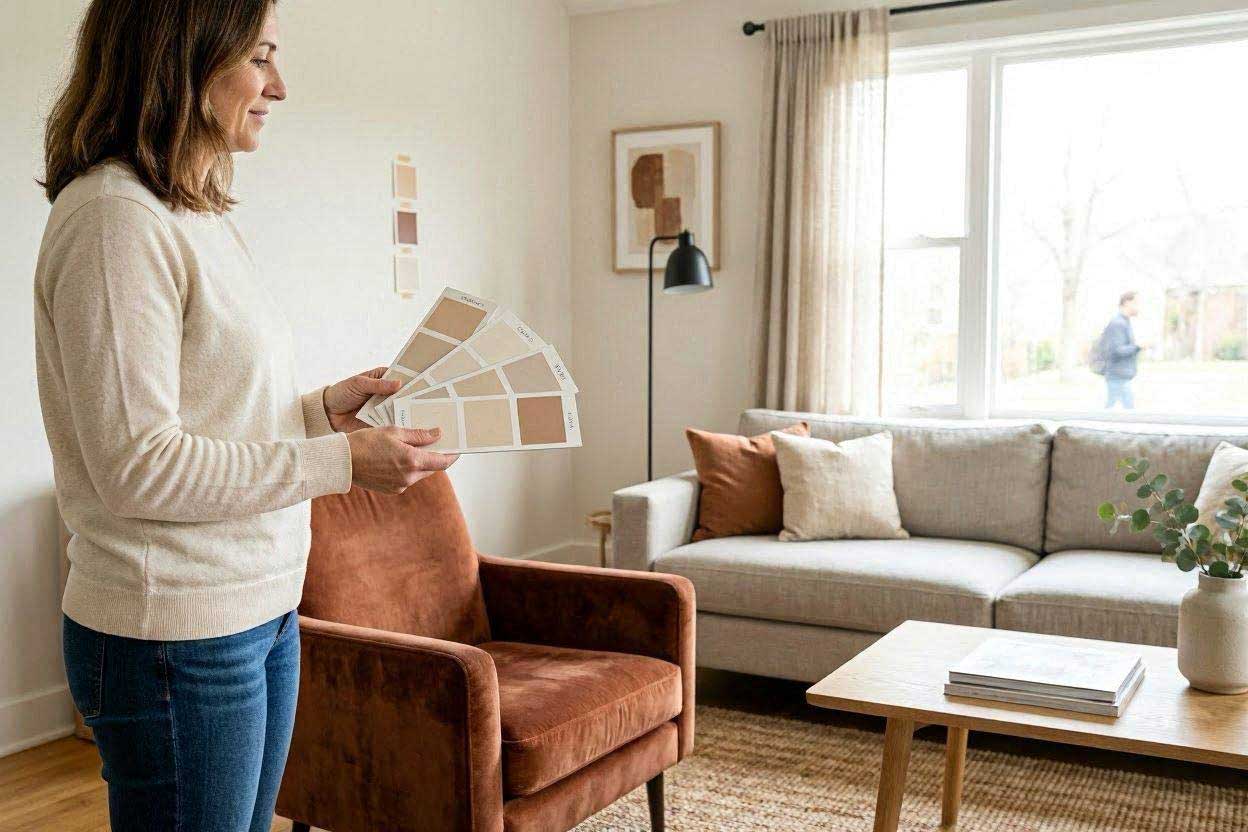
If you love earthy interiors inspired by Mediterranean or desert landscapes, soft clay can create a stunning backdrop for a rust accent chair. Since both colors belong to the same warm family, the combination feels intentional and naturally layered rather than overly contrasted.
The secret is choosing a muted clay tone instead of a deep terracotta. Softer shades provide enough warmth to enrich the room while still allowing the chair to remain the visual highlight.
Soft clay works especially well when combined with natural textures such as linen curtains, oak furniture, handmade pottery, and woven rugs. Together, these elements create a relaxed space that feels both cozy and contemporary.
Works best in:
- Mediterranean interiors
- Bohemian living rooms
- Homes with abundant natural light
- Earth-toned color palettes
💡 Designer Tip: Because clay paint already adds considerable warmth, keep larger furniture pieces in neutral tones like cream, beige, or light wood to maintain visual balance.
Choosing Wall Colors Based on Natural Light
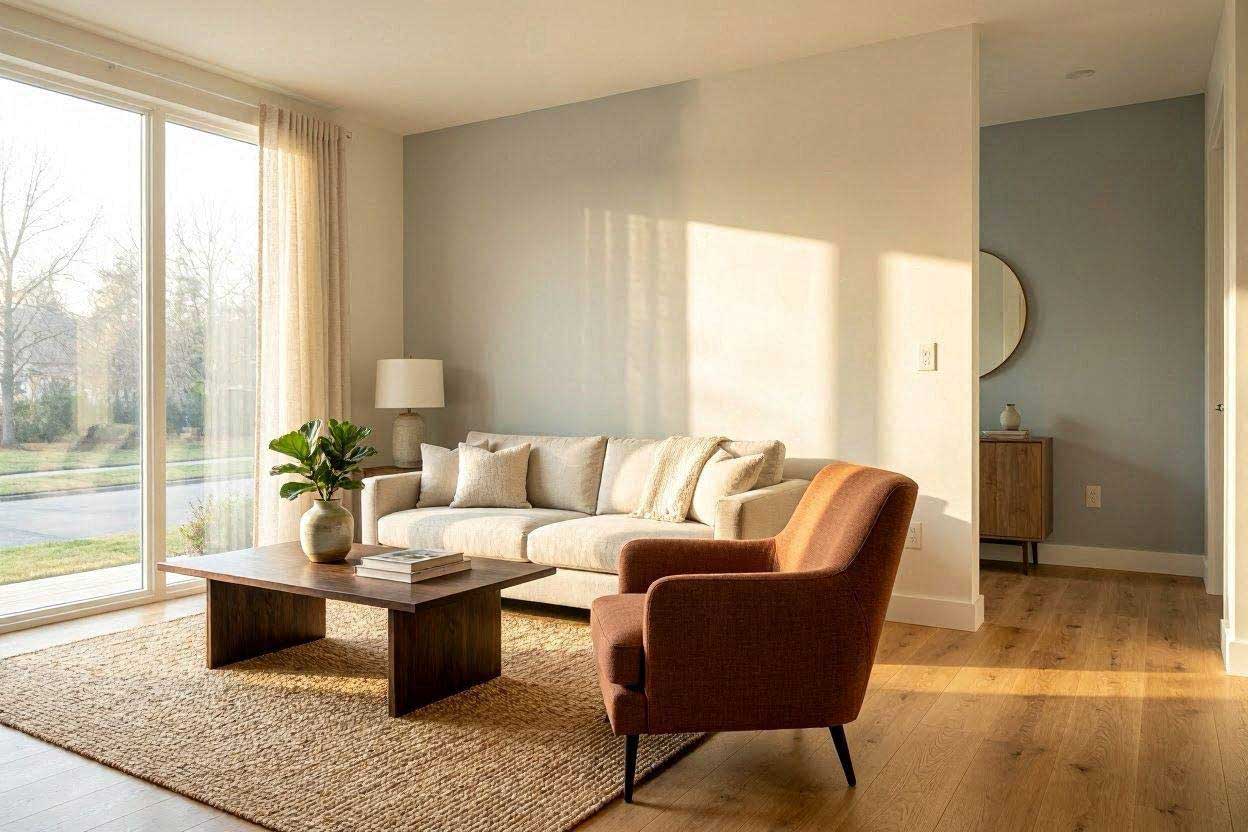
One of the biggest mistakes homeowners make is choosing paint without considering how much natural light the room receives. The same paint color can look completely different depending on the direction your windows face and the amount of sunlight entering the space.
Use this quick guide as a starting point before selecting a paint sample.
Room Condition Recommended Wall Color Why It Works North-facing room Warm White Adds warmth and prevents the room from feeling cool. South-facing room Greige Balances bright natural light without feeling washed out. East-facing room Soft Beige Creates a warm and welcoming look throughout the day. West-facing room Sage Green Softens the warmer afternoon sunlight.
Rather than relying solely on paint chips in the store, bring home a few sample pots and observe each color in the morning, afternoon, and evening. Natural light changes throughout the day, and a paint color that looks perfect under store lighting may appear very different once it’s on your walls.
👉 Designer Insight: Professional designers rarely choose paint from a tiny color swatch alone. They test samples on the wall because lighting—not the paint itself—is often the biggest factor in how a color is perceived.
If you’re wondering why certain paint colors naturally complement warm furniture while others seem to clash, understanding basic color relationships can make decorating much easier. Our guide on understanding how the color wheel works in home design explains these principles in a simple and practical way.
Even after narrowing down your favorite paint colors, there’s one final step that many homeowners overlook. Testing paint correctly before committing can save both time and money while helping you avoid expensive repainting mistakes.
Before You Paint: Test These 3 Things First
Choosing the right paint color isn’t just about finding a shade you love. A color that looks perfect on a paint chip can appear completely different once it’s covering an entire wall. Before investing in gallons of paint, take a little extra time to test it in your own space.
These three simple steps can help you avoid costly mistakes.
1. Test the Paint in Natural Daylight
Paint colors change throughout the day as natural light shifts. A warm beige that looks soft in the morning may appear much darker in the evening.
Apply a small sample to two or three different walls and observe it at various times of the day before making your final decision.
2. Look at the Undertones
Every neutral paint has an undertone. Some lean warm with hints of cream or beige, while others contain cooler gray, blue, or green tones.
Because a rust accent chair already has warm undertones, choosing a paint with a similar warmth usually creates a more balanced and cohesive look.
3. View the Color Next to Your Furniture
Never evaluate paint by itself. Place your sample near your rust accent chair, flooring, and larger furniture pieces to see how everything works together.
This simple step often reveals whether the paint enhances your décor or creates unwanted contrast.
👉 Designer Tip: Paint a large sample board instead of applying small patches directly to the wall. You can move the board around the room and view the color under different lighting conditions without repainting the wall each time.
Common Mistakes to Avoid
Even beautiful paint colors can produce disappointing results if they’re used in the wrong way. Avoid these common mistakes to create a living room that feels balanced and inviting.
- Choosing paint directly from a tiny color swatch without testing it at home.
- Ignoring natural light, which can dramatically change how a color appears.
- Selecting cool gray paints with strong blue undertones, which may clash with the warmth of a rust accent chair.
- Using walls and furniture in nearly identical shades, causing the chair to blend into the background instead of standing out.
- Following trends instead of your home’s lighting and style, which can lead to a space that feels dated more quickly.
Quick Checklist for Choosing the Right Wall Color
Before making your final decision, use this checklist as a quick reminder.
✔ Test paint samples in your own living room.
✔ Observe the color in morning, afternoon, and evening light.
✔ Choose warm or balanced undertones whenever possible.
✔ Consider your room’s natural lighting before selecting a shade.
✔ Let your rust accent chair remain the visual focal point instead of trying to match it exactly.
Frequently Asked Questions
What is the best wall color for a rust accent chair?
Warm white and greige are two of the most versatile choices because they create a bright, balanced backdrop without competing with the rich warmth of a rust accent chair. If you prefer a cozier atmosphere, soft beige is another excellent option that naturally complements earthy tones.
Can I use gray walls with a rust accent chair?
Yes, but choose the right shade of gray. Light gray with warm undertones pairs much better with rust than cool gray with strong blue undertones. Warmer grays help maintain a comfortable, inviting atmosphere while still giving the room a modern appearance.
Does sage green work with a rust accent chair?
Absolutely. Sage green and rust are complementary earthy colors that create a calm, nature-inspired palette. This combination works particularly well in organic modern, Japandi, and Scandinavian-inspired living rooms where natural textures play an important role.
Should my walls be lighter or darker than a rust accent chair?
In most living rooms, lighter walls create the best balance. They allow the rust accent chair to stand out as a focal point while making the room feel brighter and more spacious. Darker wall colors can also work, but they’re generally better suited to larger rooms with plenty of natural light.
Still deciding? Don’t worry—testing a few paint samples at home is the easiest way to find the perfect wall color for your space.
Conclusion
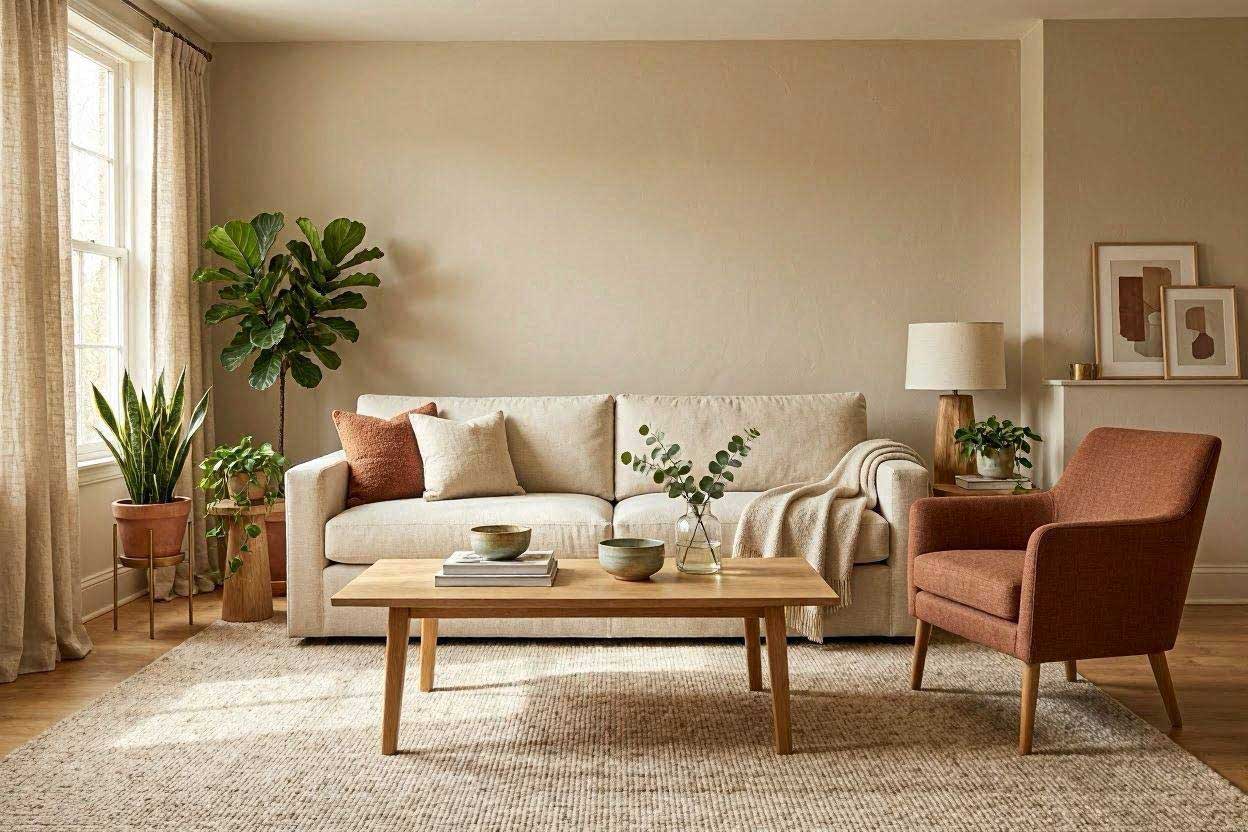
Choosing the right wall color for a rust accent chair isn’t about finding an exact color match—it’s about creating balance. Warm neutrals like warm white, greige, and soft beige provide a timeless backdrop, while colors such as sage green, taupe, and soft clay add more personality without overwhelming the space.
Before committing to any paint color, remember to test samples in your own home and observe how they change throughout the day. Natural lighting, undertones, and your existing furnishings all influence how a paint color will look once it’s on the wall.
Once you’ve selected the perfect wall color, the next step is choosing décor that complements both your walls and your furniture. For more inspiration, explore our guide to finding the best rug colors for a rust accent chair and create a living room that feels balanced from floor to ceiling.
Small decisions like paint color often have the biggest impact on how a room feels. Taking a little extra time to choose the right shade will help your rust accent chair look intentional, welcoming, and beautifully integrated into your living room for years to come.

Royan Abdillah is a home improvement enthusiast and interior design consultant with over 9 years of experience in the industry. Passionate about blending aesthetics with functionality, Royan Abdillah specializes in unique DIY furniture and pet-friendly home solutions. Through this blog, Royan Abdillah aims to help homeowners create beautiful, personalized spaces on a budget.